
Central Asia takes tough stance against radicalism: Hijab and long beards banned
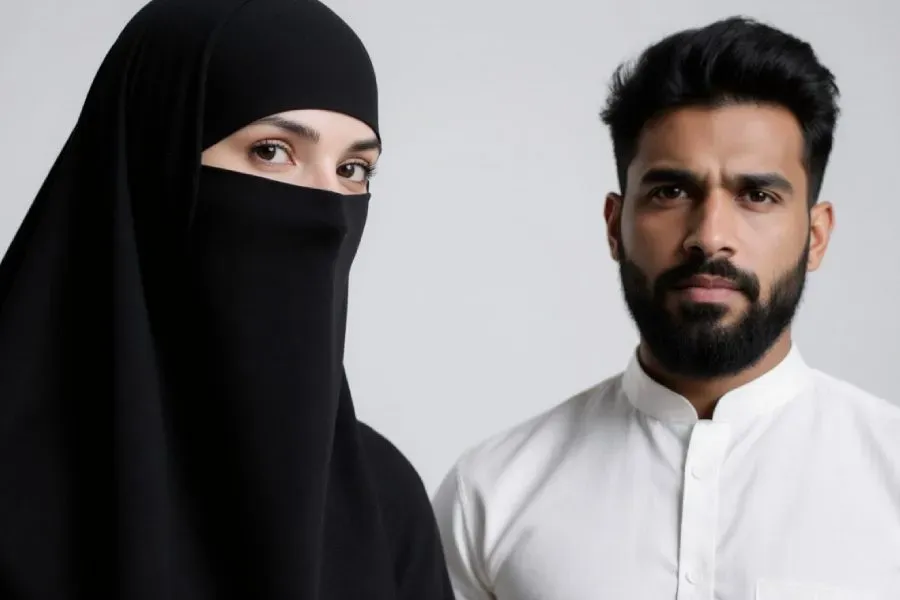
Central Asian countries are increasingly taking a tough approach to the use of religious symbols, including the hijab, niqab and long beards. Restrictions imposed at the legislative level in Tajikistan, in particular, on religious clothing have become a notable issue in the region.
TodayPress TV reports that, according to lawyer Ilgar Altay, the campaign against the hijab and other religious clothing elements in Tajikistan has gone beyond individual administrative measures and has reached the legislative level.
“In Tajikistan, official and stringent measures are being taken against the hijab, niqab and other religious clothing elements under the pretext of preventing radical religious tendencies and religious extremism. The authorities justify this by citing the protection of national culture and national identity. This is not merely about a particular form of clothing; it concerns the state’s approach to the visibility of religious symbols in public spaces.”
The lawyer noted that legislative amendments adopted in Tajikistan in the summer of 2024 tightened restrictions on the import, sale and wearing in public of clothing considered “foreign to national culture.”
“Following the legislative amendments, stricter mechanisms were introduced regarding the use of clothing considered foreign to national culture. Within this framework, the hijab, niqab and various elements of religious clothing also became subjects of discussion. The law signed by President Emomali Rahmon expanded the legal basis for state control over religious clothing in the country. These restrictions are not limited to wearing such clothing; they also apply to its importation and sale. Three areas are particularly noteworthy here: import, sale and use in public places. In other words, the state does not only regulate what citizens wear; it also intervenes in the importation of such clothing and its entry into commercial circulation.”
Ilgar Altay added that significant financial penalties are also предусмотрены for violations of the rules.
“Substantial fines are imposed for violations of the requirements established by law. The amount is approximately 7,920 somoni. This represents a significant financial burden for citizens. The Tajik authorities primarily explain these measures in terms of protecting national identity and national values, as well as preventing religious radicalism and extremism. According to the official position of the Tajik authorities, the goal is to preserve national culture, maintain the secular character of society and combat religious extremism. The state believes that the widespread presence of certain religious symbols in public spaces may increase the risks of radicalization. Supporters of this approach emphasize national security and the principle of a secular state.”
According to the expert, state control is not limited to women’s clothing. A strict approach is also observed toward men’s appearance, particularly long beards.
“In Tajikistan, the issue does not end with the hijab. Measures are also being taken to regulate men’s appearance, particularly the wearing of long beards. This is part of the authorities’ broader approach to the outward expression of religious identity. The processes in this area are not limited to Tajikistan in Central Asia. Against the backdrop of the stringent measures introduced in Tajikistan, the emergence of restrictions concerning religious clothing and appearance in Turkmenistan and Uzbekistan has also drawn attention. Countries in the region use various legal and administrative mechanisms to address the risks of religious radicalization and extremism. The state has the right to combat religious extremism. However, the legal basis, scope and proportionality of the restrictions imposed in this process are also important issues. Since bans concerning external attributes such as the hijab and beard directly affect people’s rights to freedom of religion and self-expression, these issues require particular legal sensitivity.”
He emphasized that the approach taken by Central Asian states can be viewed as one example of the tightening of policies aimed at combating religious radicalization in the region.
“Today, as states in the region combat religious radicalism and extremism, they are paying increasing attention not only to specific organizations and calls for action, but also to outward forms of religious identity. The measures concerning the hijab, niqab and long beards in Tajikistan are among the most stringent examples of this,” lawyer Ilgar Altay added.
Turkan Iskandarli