
The secret behind Erdoğan’s call to Aliyev – How did they silence the critics?
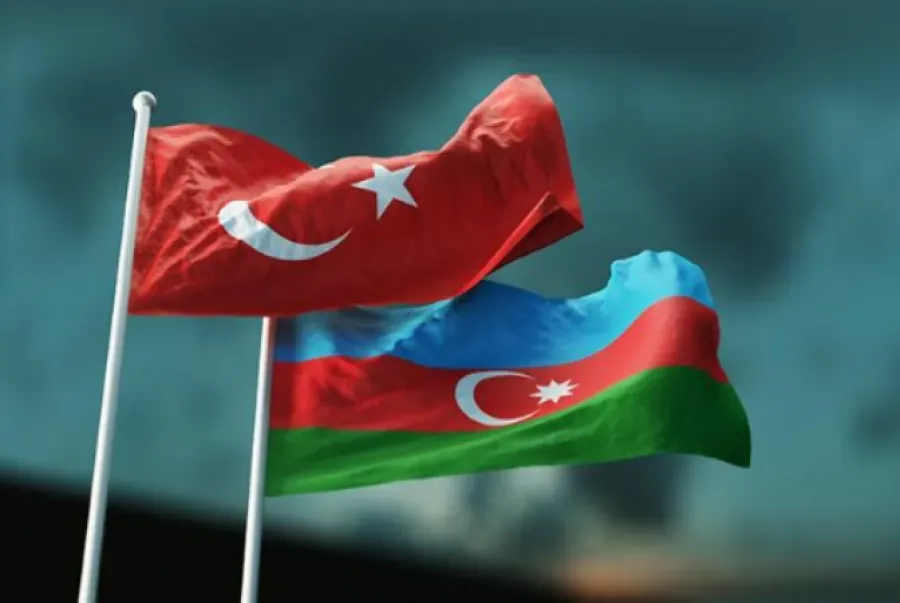
The diplomatic scene that unfolded during the Israeli delegation’s address to the UN General Assembly, followed by Turkish President Recep Tayyip Erdoğan’s phone call to Azerbaijani President Ilham Aliyev, has sparked widespread international discussion. Although delegations from around 70 countries, including Türkiye, left the hall during Israeli Prime Minister Benjamin Netanyahu’s speech at the UN General Assembly on September 24, the Azerbaijani representative was among the diplomats who remained in the hall. This move prompted criticism, particularly in the Turkish media and the Turkish segment of social media.
Speaking to TodayPress TV, political analyst Chingiz Shahbazi emphasized that remaining in the hall does not automatically mean supporting the other side’s policies:
“On September 24, 2026, as Israeli Prime Minister Benjamin Netanyahu was about to begin his address to the UN General Assembly, delegations from approximately 70 countries, including Türkiye, left the hall. Azerbaijan was among the countries that remained. In other words, the Azerbaijani representative listened to Netanyahu’s speech until the end. Naturally, this caused dissatisfaction in Muslim countries, particularly in brotherly Türkiye, and critical views of Azerbaijan have been expressed on social media, especially in the Turkish segment, as well as in some media outlets. In fact, remaining in the hall does not automatically mean supporting the policies of the Israeli representative. There may be various reasons for a diplomatic representative to remain in the hall: listening to the position being presented, diplomatic protocol, a different tactical position of the country, and so on.”
The expert noted that the move was made within the framework of Azerbaijan’s independent foreign policy and was not met with any objection from official Ankara. He said the reactions within Turkish society stem simply from a sense of closeness between the two brotherly nations:
“This is carried out within the framework of Azerbaijan’s own policy, and the Turkish government has not expressed any objection to Azerbaijan over this. Türkiye is a sufficiently democratic country, and people there are guaranteed the freedom to express their opinions and views. Therefore, one can assume that because Turkish people consider Azerbaijan very close to themselves, they regard it as acceptable to criticize Azerbaijan on this issue, much like the saying, ‘You can only be disappointed by someone you have expectations of.’ In other words, by making statements such as ‘Azerbaijan did not stand in solidarity with Türkiye at the UN,’ they are trying to present the issue in the context of disappointment between the two brotherly countries. I want to emphasize once again that this is not Türkiye’s official position, and the Turkish government has not made even a single statement against Azerbaijan because of this.”
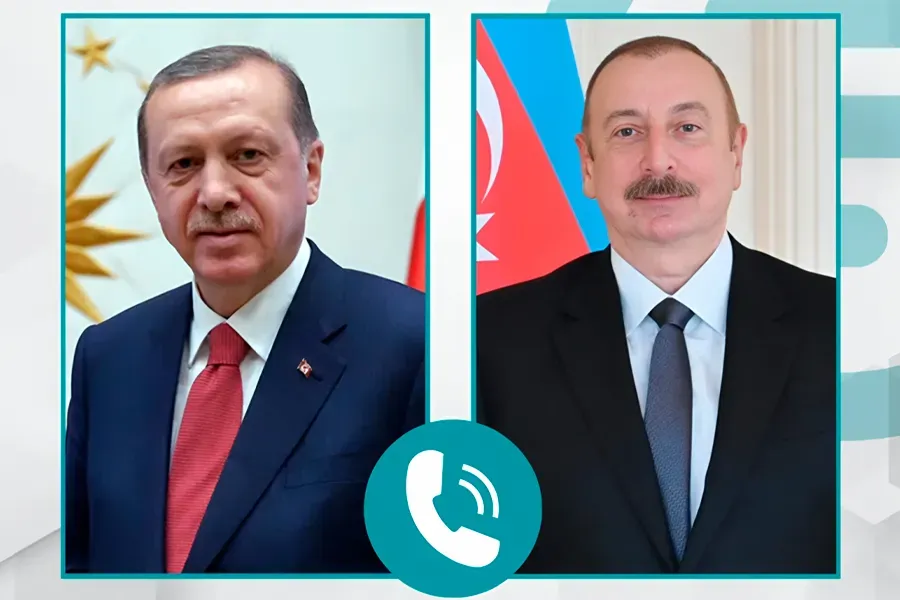
The political analyst also addressed Turkish President Recep Tayyip Erdoğan’s phone call to Azerbaijani President Ilham Aliyev on September 27, the Day of Remembrance, following the events at the UN, describing the gesture as significant in terms of strategic alliance:
“Following this, Erdoğan’s call to Ilham Aliyev on September 27, the Day of Remembrance, to commemorate the martyrs shows that the Turkish President viewed the incident precisely as part of Azerbaijan’s regional policy. Of course, Erdoğan’s call to Ilham Aliyev at such a sensitive time can also be regarded as a political gesture. It should also be viewed as a symbolic message demonstrating that the strategic nature of Ankara-Baku relations has not changed.”
The political commentator concluded by saying that although external circles seeking to drive a wedge between the two countries may occasionally attempt to exploit such situations, the unbreakable bonds of brotherhood would prevent this:
“I believe that what has happened is being carried out purely on the basis of political messages and objectives, and similar incidents have occurred in Azerbaijan-Türkiye relations in previous years as well. There is no guarantee that such incidents will not occur in the future. Forces seeking to damage relations between Türkiye and Azerbaijan also try to exploit situations like these. However, the friendship and brotherhood between Türkiye and Azerbaijan can never be shaken by such meaningless and minor reasons. Significant efforts have been made to preserve and develop these relations, and such efforts will continue,” Chingiz Shahbazi said.
Turkan Isgandarli