
After the election, FIRST CONTACT: How did Pashinyan face Aliyev with a new mandate?
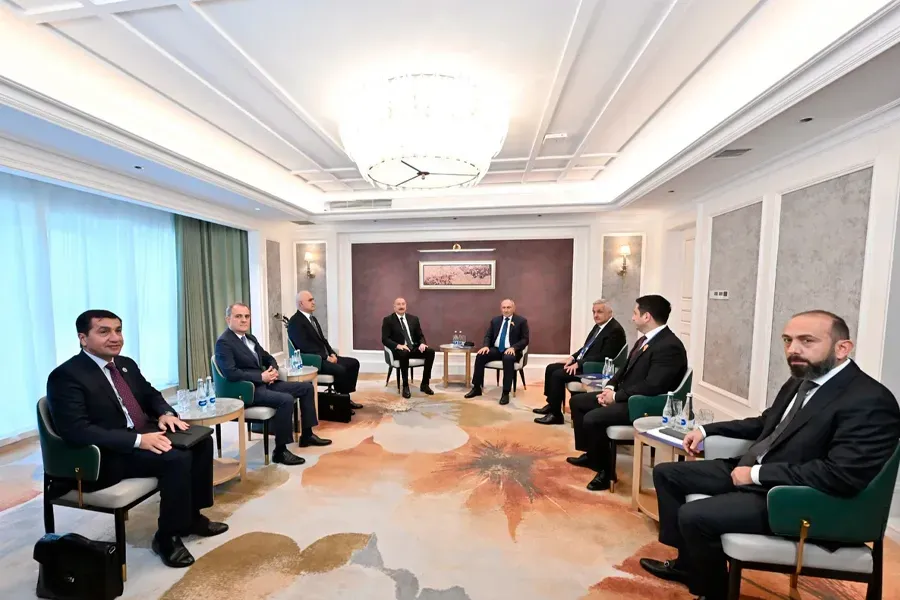
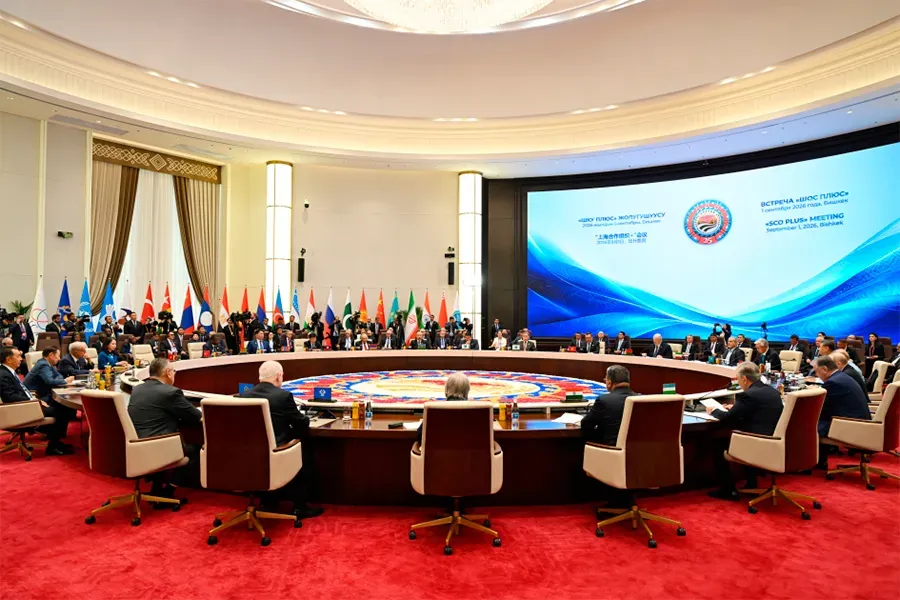
A bilateral meeting between President of Azerbaijan Ilham Aliyev and Prime Minister of Armenia Nikol Pashinyan was held on August 31 on the sidelines of the Shanghai Cooperation Organization (SCO) summit in Bishkek. The meeting is of particular significance as the first face-to-face contact between the leaders of the two countries after Pashinyan’s party won the parliamentary election held in Armenia in June 2026, and he returned to the post of prime minister. Pashinyan’s return to the negotiating table with a new mandate after consolidating his domestic political position through the election victory indicates that the peace agenda and direct dialogue between the two states have entered a qualitatively new stage.
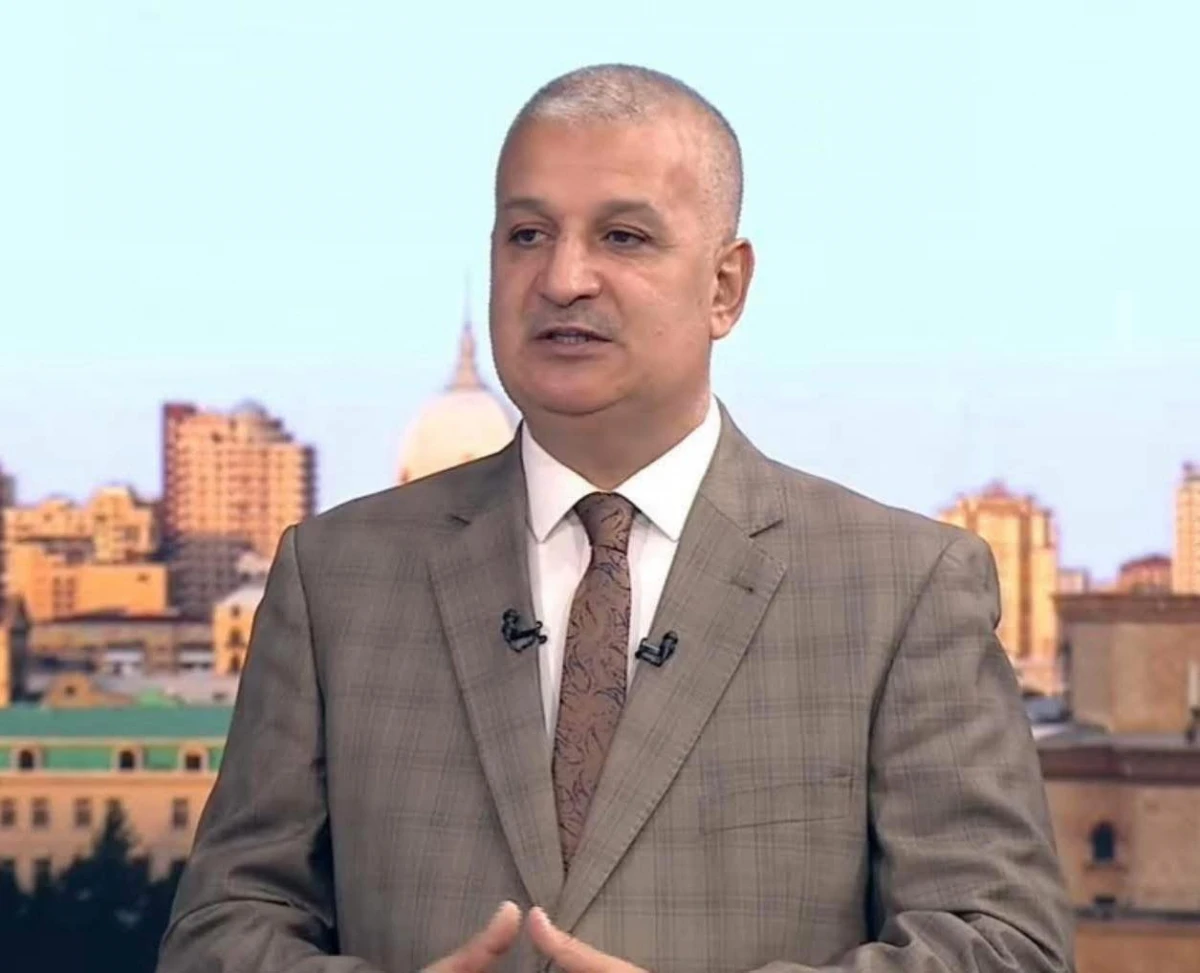
Political analyst Bakir Hasanbayli, speaking to TodayPress TV, said that following the initialling of the peace agreement in Washington, the leaders of both states had made important statements in this direction. According to the expert, the issue of amending the Armenian Constitution is at the core of the proposals put forward regarding the signing of the peace treaty:
“There are quite serious issues to be discussed at the table. As you know, since Azerbaijan and Armenia gained independence, they have never had economic, diplomatic or political relations. However, following the initialling of the peace agreement, grain, cereals, food and non-food products are already being transported from Azerbaijan to Armenia, as well as fuel and various lubricants sold by Azerbaijan to Armenia. Discussions are also underway on increasing trade turnover in this area.
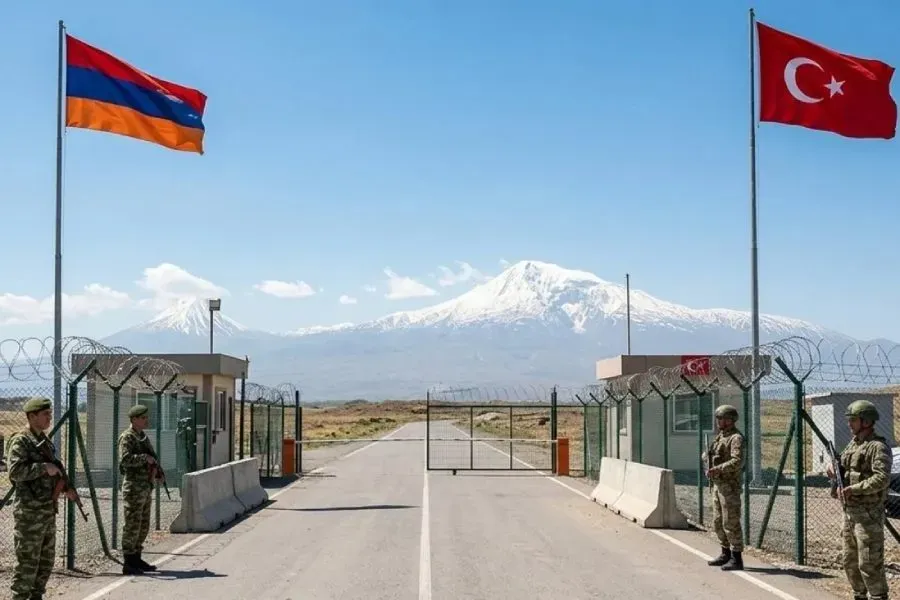
In addition, we have a fairly long border with Armenia. Only about 13 kilometers of it have been determined and marked. There are other nuances as well, and these will become one of the main topics of discussion between the leaders of the two countries in the future.”
Political analyst Bakir Hasanbayli emphasized that there is serious domestic opposition in Armenia to amending the country’s Constitution:
“On one side are the church, the diaspora, the former Karabakh clan, as well as forces with a revanchist mindset that receive political and financial support from Russia and against whom certain criminal cases have currently been initiated. I think it is entirely possible that this issue will be among the topics discussed by the two leaders.
Contacts between the two leaders have the potential to bring Azerbaijan and Armenia one step closer to peace and a peace treaty. The most positive aspect is that, for a long time now, we have not witnessed any incident involving a violation of the ceasefire along the border. It is expected that this process will gradually take on a more serious character, while discussions will continue on the opening of the transport route — what we call the Zangezur Corridor and what is known internationally as the TRIPP project. As you know, there are certain claims from our northern and southern neighbors regarding preventing this project from being implemented. Both sides, concerned about losing control over logistical opportunities or international trade routes, are seriously obstructing the implementation of this project. All of these are, undoubtedly, among the main issues on the agenda.
I think that in the next meetings, the Armenian side will already have the opportunity to provide the other side — the Azerbaijani leader — with information on the preparation of the text of the new Constitution, and the contours of holding a referendum will be determined.”
The expert believes that maintaining diplomatic relations is generally the right path for the region:
“In many regions of the world, bringing the parties to a conflict to the negotiating table is a very serious and difficult issue. Fortunately, through the will of the Azerbaijani leader — despite Azerbaijan’s overwhelming victory over Armenia — the diplomatic table was established, and the process is successfully continuing. Undoubtedly, such meetings and negotiations will ultimately conclude the process with the signing of a peace treaty.”
Giymat Mahir