
Hamedani, whose hand Taleh Bagirzadeh kissed, amid Hezbollah flags in Nardaran – Was there an attempt at a religious revolution in the country 11 years ago?
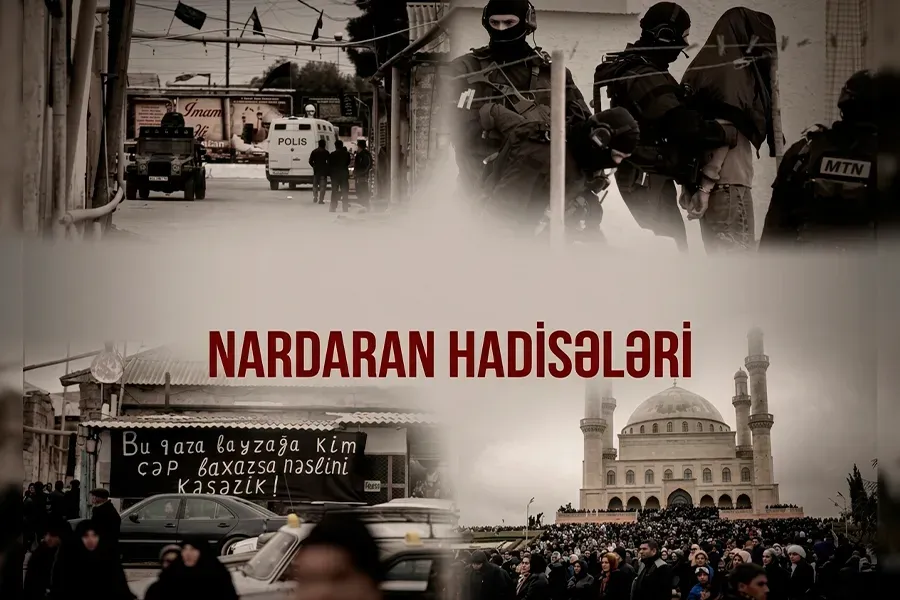
2015 was a turning point for Azerbaijan. The country came close to sharing the fate of Middle Eastern countries. Some had joined forces with Ojag Nejat, Khamenei’s special representative, and embarked on a new game. In 2015, at Ojag Nejat’s request, some pro-Iranian figures were given senior positions in the Caucasus Muslims’ Board (CMB). But Ojag Nejat did not stop there. Because 2014 was the year Iran launched a process in Azerbaijan.
Later, at Ojag Nejat’s instruction, Iranian scholar Nuri Hamedani was invited to Baku. Hamedani went to Nardaran, where a meeting was organized.
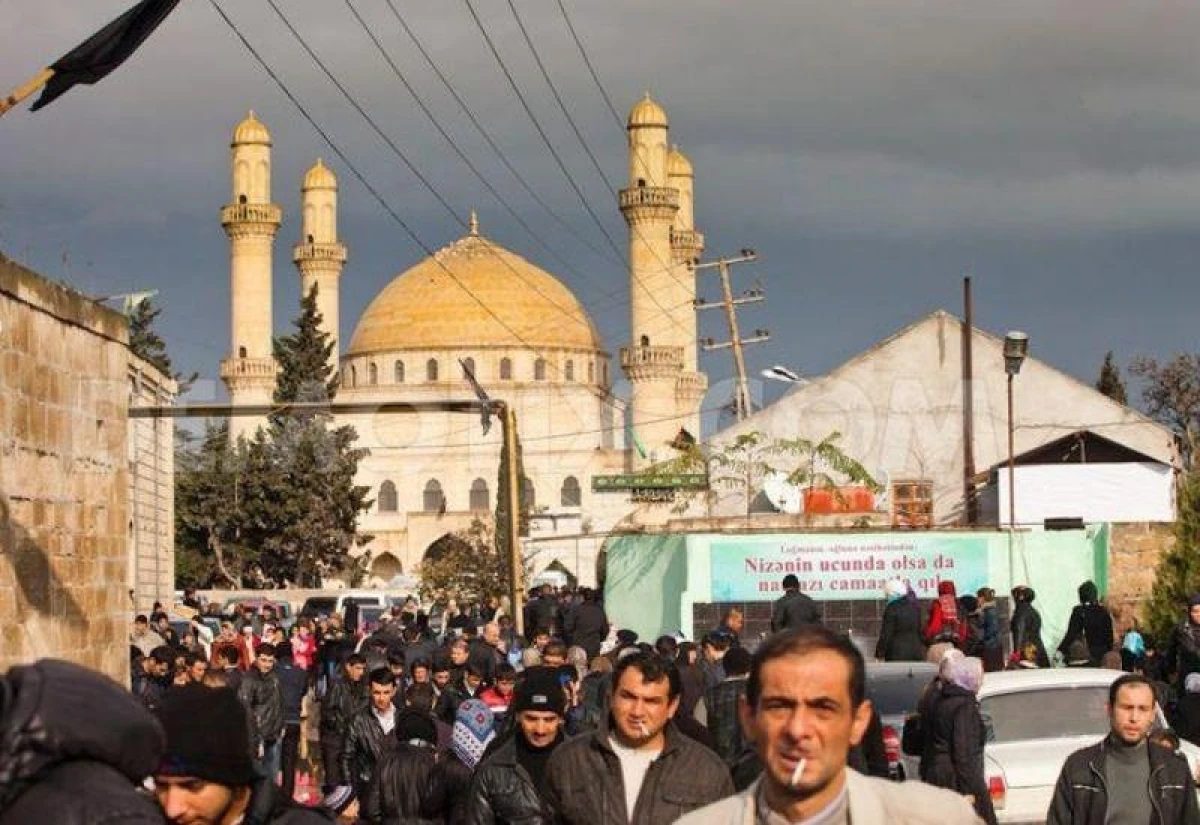
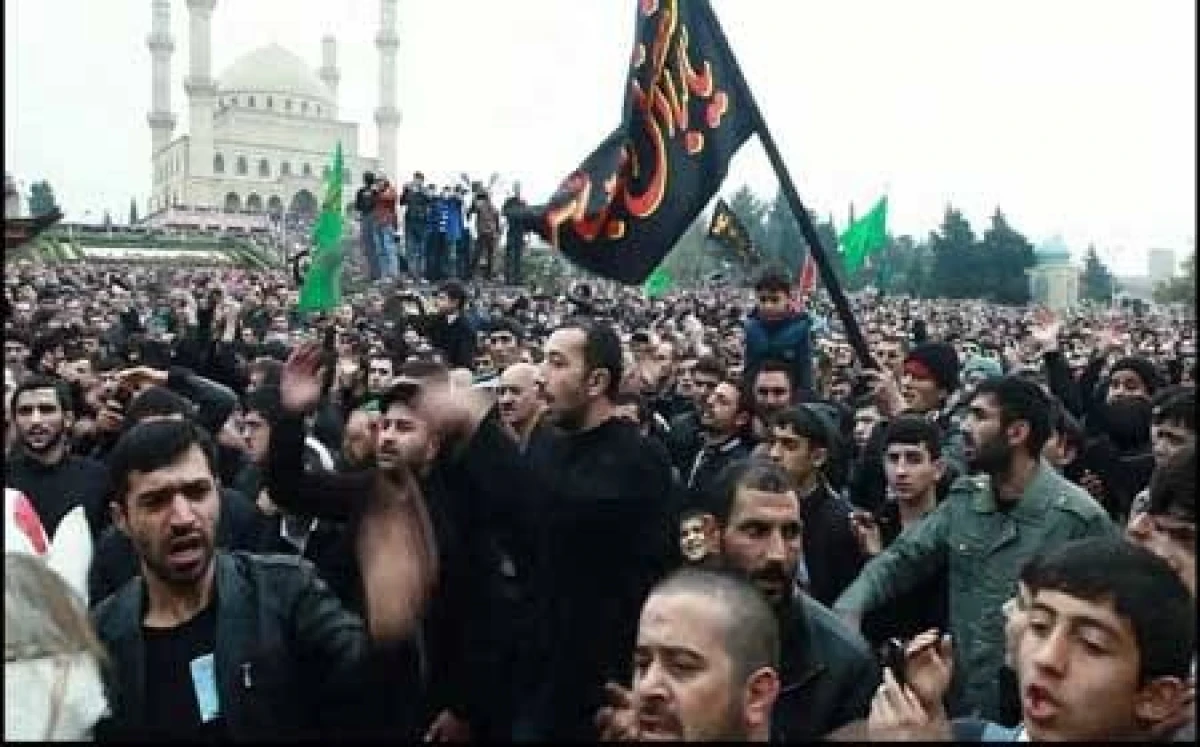
Those scenes remain unforgettable: slogans in support of Iran were chanted in Nardaran, Hezbollah flags were waved, and calls in support of Khamenei rang out. The scenes almost resembled southern Lebanon. For a moment, one could wonder whether Azerbaijan, too, might become a province of Iran like Syria, Iraq, Yemen and Lebanon. It was as if Hezbollah’s inaugural organizational event was being held in Baku. It was as if the state’s nerve centers had been numbed in those years. No one was asking: What is happening? What kind of game are you playing in the country?
Abbas Ahadov, a resident of Masalli who followed those years, says: “I closely followed what was happening in the Middle East and saw that Iran was building its sphere of influence in Azerbaijan according to the same scenario. Iran’s plan was being served because of sectarian sentiments. Ojag Nejat had manipulated the processes so effectively during those years that everything he said was carried out without question. Even many of those who were appointed to positions in the CMB at Ojag Nejat’s request are still there. Some of them even work as representatives in the regions.”
At that time, Hashd al-Shaabi had taken control of Iraq, the Houthis had grown stronger in Yemen, while Hezbollah in Lebanon controlled large parts of Syria. Inspired by this, Iran’s supporters in Azerbaijan were saying that they, too, needed to initiate some kind of process here. They sought to ignite it by bringing Nuri Hamedani to Baku, gathering crowds in Nardaran, raising Hezbollah flags and chanting slogans in support of Iran. It was as if they were mobilizing Azerbaijan’s Shiite community.
Unfortunately, during those years, the state’s warning signals only began flashing after events had already taken place. The government had been convinced of the situation and its nerve centers had been so numbed that it remained silent in the face of what was happening. The issue had been presented as if bringing Nuri Hamedani to Baku was intended to develop Iran-Azerbaijan relations. In reality, at the same time, Ojag Nejat was preparing Taleh Bagirzadeh. Later, he was sent to Nardaran, which was almost declared southern Lebanon. Ojag Nejat was behind all of this. The mission of the other side was to resolve matters through state channels and, in a sense, create the conditions for some kind of unrest to begin in Azerbaijan. Nuri Hamedani being welcomed in Nardaran with a Hezbollah flag was the clearest proof of this. The government was told: ‘Don’t worry, we are here (possibly referring to the CMB), all of this is in our interests.’ Meanwhile, the situation was escalating in the background. Those who know how Iran built such structures in other countries are aware of this.”
Iran’s plan was simple. Nuri Hamedani would come to Baku, a large gathering would be organized among Shiites, and mobilization would begin. You have all seen the video of Hamedani’s visit to Nardaran: the crowds, the waving Hezbollah flags and the Iranian slogans were not accidental. Having Hamedani meet Taleh Bagirzadeh in Baku, Taleh kissing his hand, and all the other developments were part of Iran’s plan.
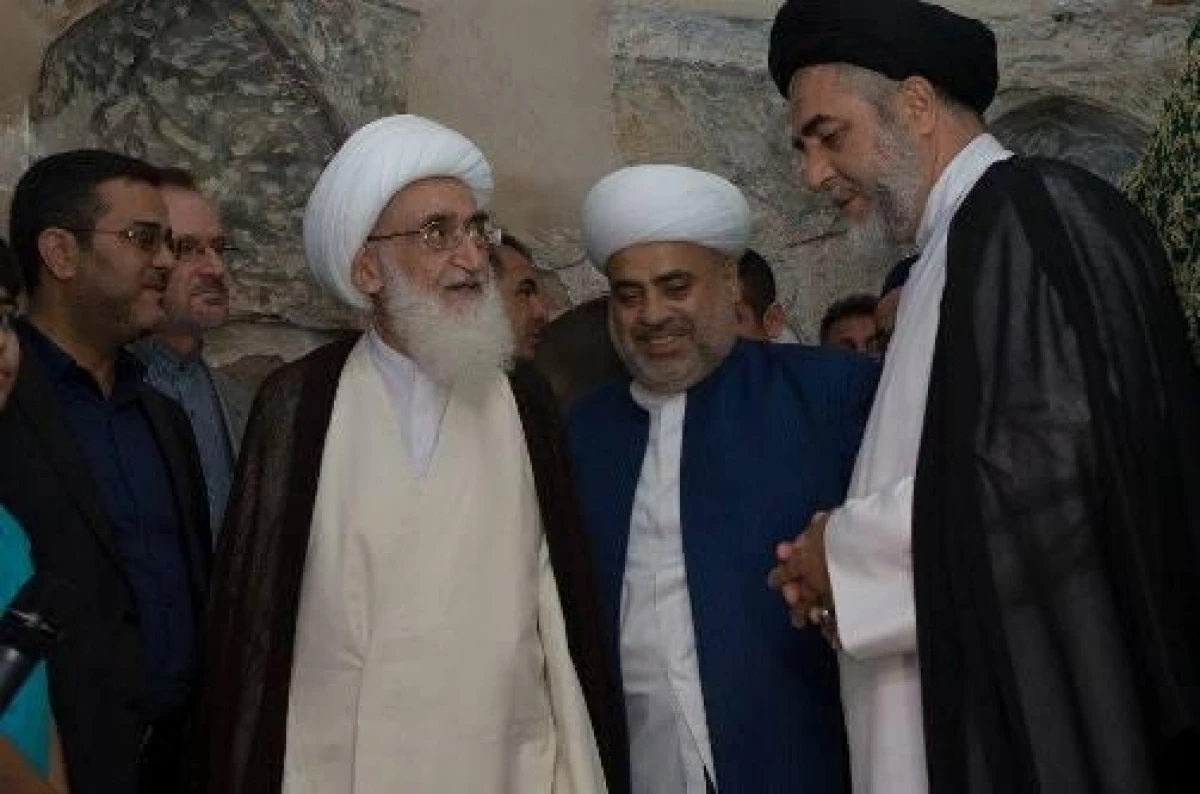
But there was one thing that seemed to awaken the government: the waving of the Hezbollah flag in Nardaran.
After all this, the government emerged from its state of complacency, realized that the situation was dangerous, and finally launched the Nardaran operation. The Hezbollah flag flying in Nardaran was taken down. Taleh Bagirzadeh was arrested. Extensive operations were carried out against the network. Others, as always, escaped responsibility. Changing their positions, they claimed that they knew nothing about it and that these people were all miscreants. As if they had not been the ones who had joined forces with Ojag Nejat and participated in all these processes, they quietly withdrew from the scene. It is true that following the Nardaran operation, this plan failed. Hezbollah’s stronghold in Nardaran was dismantled. But these developments caused significant damage to Azerbaijan in the long term.
Note: As early as 2006, one of the leaked confidential diplomatic cables from the U.S. Embassy in Baku examined Iran’s religious influence in Azerbaijan separately. The document noted that Iranian influence was particularly strong among Shiite communities outside state control.
Nardaran was specifically characterized as a “pro-Iranian Shiite community.” The document also contained information that the construction of the Nardaran mosque had been financed by an Iranian charitable organization.
Ismayil Shahli