
Who is ‘begging’ whom? – Putin’s anger at Pashinyan boils over
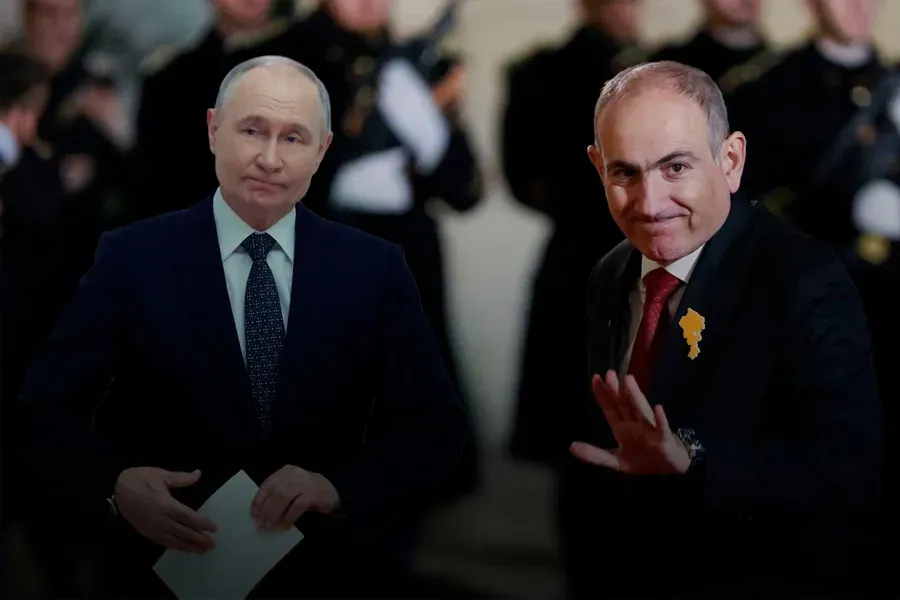
Armenian Prime Minister Nikol Pashinyan may visit Moscow in the near future.
Russian President’s Press Secretary Dmitry Peskov said this. He noted that the exact date of the visit has not yet been determined, but the Armenian prime minister’s visit will take place before the end of this year.
But does the Kremlin need Nikol Pashinyan’s visit to Russia, or does Yerevan need it? Which side needs this visit more?
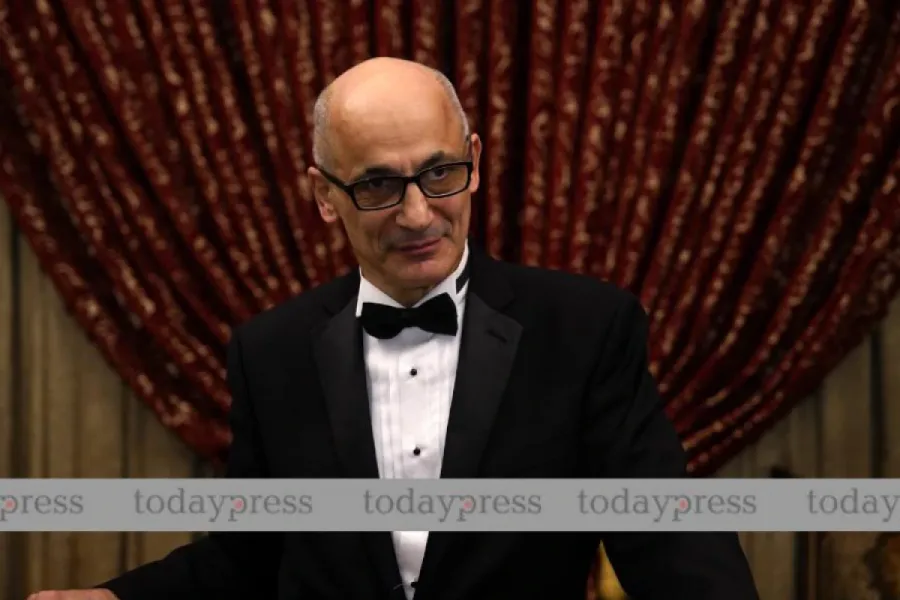
Speaking to TodayPress TV on the matter, political analyst Chingiz Shahbazi touched on the meeting between Putin and Pashinyan in Bishkek:
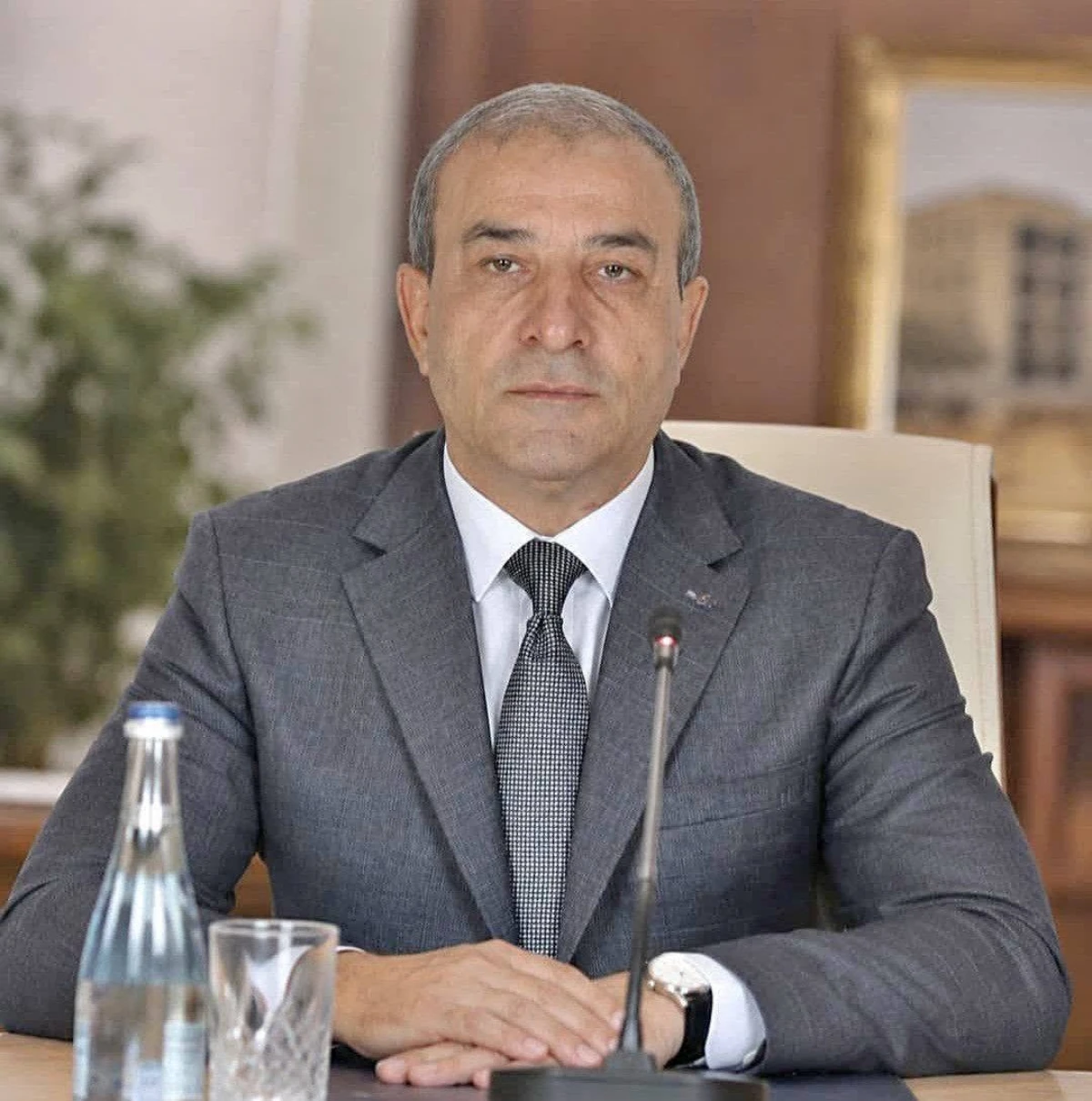
“The invitation came after Russian President Vladimir Putin’s meeting with Pashinyan in Bishkek, and I believe there are serious issues behind it. Russia is deeply concerned about losing Armenia and, in this regard, is wary of bringing relations between the two countries to the point of rupture. I believe Armenian Prime Minister Nikol Pashinyan understands this and will travel to Moscow to make Russia accept the current situation, particularly without damaging political and economic relations.
Russia’s response may not be too harsh. Because Pashinyan managed to win the parliamentary elections held in his country once again, receiving 49.8 percent of the vote. Now, his visit to Moscow cannot be regarded as a move stemming from weakness. Before the election, as well as after it, Pashinyan stated that he would continue his country’s westward course. At the same time, Armenia is still economically dependent on Russia. Russia is Armenia’s main trading partner, and most of its gas comes from Russia. Russia’s largest companies hold significant positions in strategic sectors such as energy and railways. In this regard, Pashinyan is trying to normalise relations in a controlled manner, and therefore his visit to Moscow is not aimed at saying ‘I am returning to Russia’, but at making Russia accept the existing reality.”
The analyst also recalled Putin’s statement:
“Putin has openly stated that Armenia has to make a choice. Customs integration with the EU and remaining in the Eurasian Economic Union are incompatible in the long term. Putin’s demand is clear and explicit, and he does not view it as merely a political issue, but also presents it as a problem related to economic and customs regulations.
It is clear that Pashinyan has no intention, at least for now, of choosing between the West and Russia; he prefers to work with both sides. In this regard, the most important issue to be discussed in Moscow will be the European Union. Gas and energy issues will come next. Special privileges and the current low tariffs could be reconsidered in this area.”
Chingiz Shahbazi added that the Armenia-Russia railway, the Russian military base, security issues and an “inventory” of relations between the two countries will also be on the agenda:
“These will be the main topics of discussion during the visit and will redefine the coordinates of relations between the two countries. Therefore, I believe the meeting may result not in a major agreement, but in a package of mutual compromises.”
Giymat Mahir