
The world is left like a cake in the middle — the US and China are dividing it...
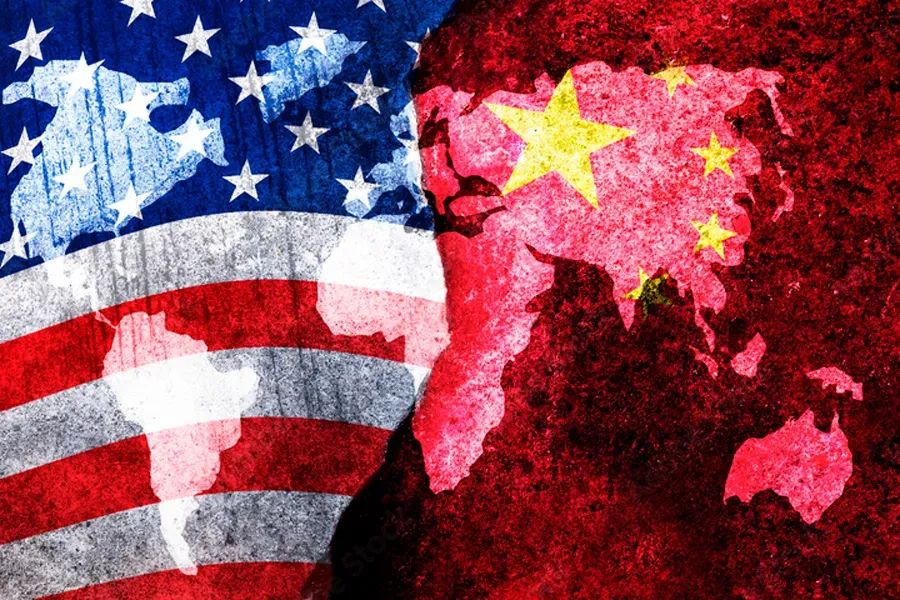
As previously reported, Chinese President Xi Jinping has traveled to the United States.
The visit is at the center of attention in Washington-Beijing relations, as well as on the global geopolitical agenda. Its significance is further heightened by the fact that it comes at a time when disagreements between the United States and China over trade, security and other strategic issues continue.
One of the key questions surrounding Xi Jinping’s visit to Washington is which issues will be discussed between the two countries and to what extent the sides may be able to move closer to possible agreements. At the same time, it cannot be ruled out that the talks will not be limited to US-China relations, with the situation in the Middle East, global security and broader issues concerning spheres of influence around the world also potentially coming onto the agenda.
So, what are the main objectives of Xi Jinping’s visit to the United States? On which issues could Washington and Beijing reach common ground, and how could these talks affect global geopolitical processes?
Speaking to TodayPress TV about the issue, international relations expert Aziz Alibeyli commented on the possible outcomes of the visit and the key issues on the sides’ agenda.

According to him, agreements in several areas are expected to be considered, but in reality, the focus is more on discussions than on reaching agreements:
“Geopolitical problems need to be discussed and ways to resolve them need to be found. On the issue of Iran, the United States and its allies are on the verge of launching further operations.
Another issue is that there may perhaps be an exchange of views aimed at dividing up the world behind closed doors.
Also, approximately two or three months ago, certain agreements were reached during Trump’s visit to China. But we saw that following those agreements, a short-term war broke out between the United States and Iran in September. On the other hand, the Houthis took control of the Bab el-Mandeb Strait. In principle, regardless of whether the United States wins or loses in the developments in Bab el-Mandeb and the Middle East as a whole, the most serious economic blow from these developments is being dealt to Japan, China, India and South Korea. In other words, these wars in the Middle East are also causing significant damage to the Chinese economy. From this perspective, China also wants the sides to reach a common outcome and for opportunities for dialogue to be considered as an alternative to war.”
The analyst believes that efforts by the world’s two largest powers to reach an agreement on dividing the world into spheres of influence, and considering this as an alternative to war, are among the main issues currently being discussed.
Giymat Mahir