
Azerbaijan’s “Istisu” takes on global mineral water brands
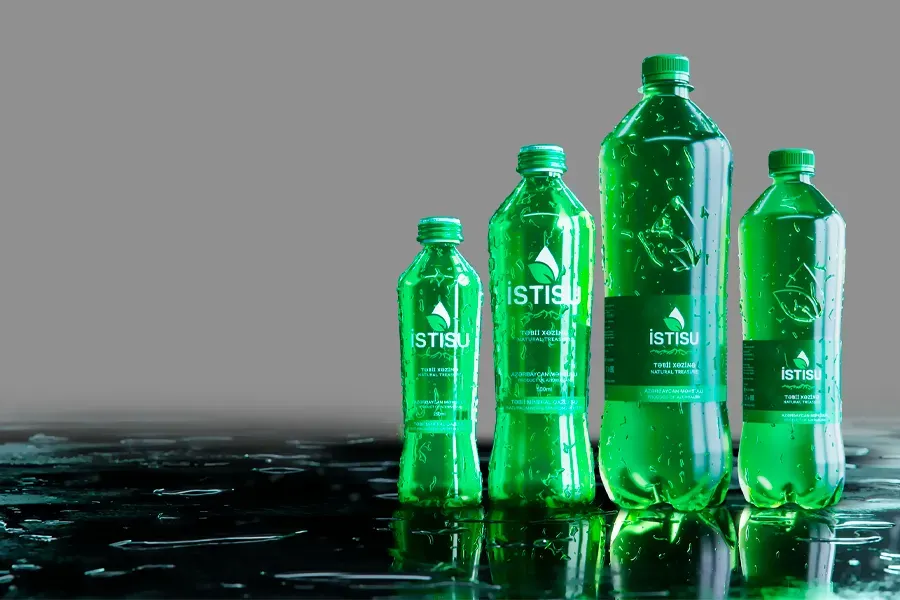
Azerbaijani President Ilham Aliyev offered Iranian counterpart Masoud Pezeshkian “Istisu” mineral water in Bishkek, the capital of Kyrgyzstan. The presence of Georgia’s “Borjomi” mineral water on the table at the time prompted people to set political messages aside and discuss the benefits and taste of the two waters.
These natural springs, which have been shaped over centuries in countries across the region, meet the daily needs of local populations while also forming the basis of the resort and sanatorium sector due to their therapeutic properties.
So, what sets Azerbaijan’s “Istisu” apart from mineral waters in other countries?
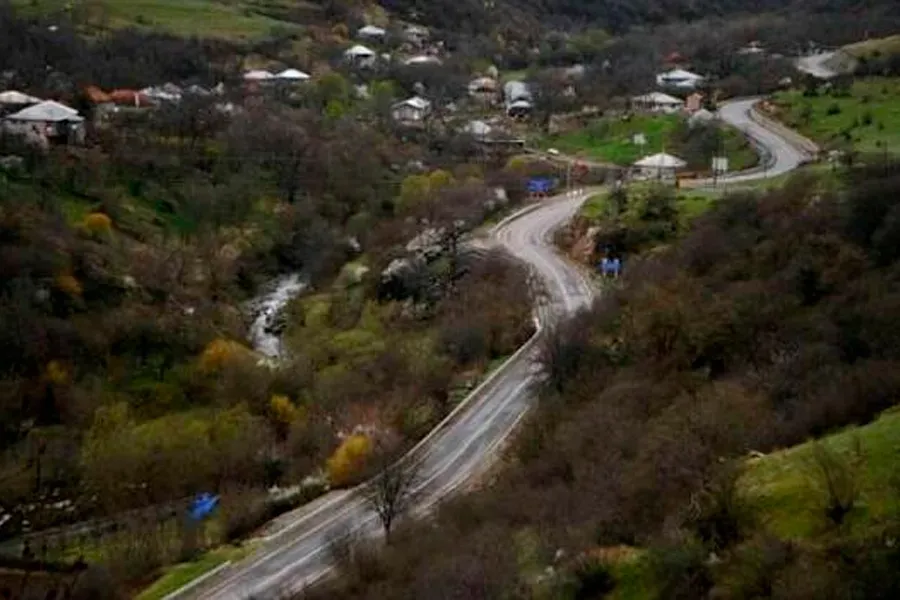
“Istisu” comes from the mineral springs of the same name in Azerbaijan’s Kalbajar district. The water is widely used in the treatment of gastrointestinal disorders, metabolic disorders and musculoskeletal diseases. “Istisu” is not an ordinary natural table water. It contains elements such as iron, iodine, phosphorus, zinc, copper, nickel and magnesium, as well as iodine-bromine compounds and high levels of lithium.
“Istisu” can be used particularly in the treatment of gastrointestinal problems, digestive disorders, liver diseases, gallbladder conditions and other internal organ disorders. However, given that it is a therapeutic mineral water, it is important to pay attention to the amount consumed and the method of intake, and to consult a doctor when necessary. Azerbaijan also has other mineral waters, such as “Badamli” and “Sirab”.
Georgia’s globally recognized brand “Borjomi” is a volcanic-origin sodium-bicarbonate mineral water. Known for its naturally high carbonation and distinctive salty taste, the water is highly valued for its ability to support the functioning of the digestive system. Another well-known Georgian brand, “Nabeghlavi”, is considered the main alternative to “Borjomi” due to its high levels of bicarbonate and sodium.
The North Caucasus region is considered Russia’s main mineral water hub. “Yessentuki No. 4” and “Yessentuki No. 17”, sourced from springs in the Yessentuki area, are mainly consumed for therapeutic purposes under medical supervision. “Narzan” from the Kislovodsk region is known as a naturally carbonated therapeutic-table water rich in calcium and magnesium.
In brotherly Turkey, mineral waters are mainly consumed under the name “maden suyu”. “Kızılay”, one of the country’s oldest brands, is sourced from springs in Afyonkarahisar and Erzincan. “Beypazarı”, from the Ankara region, holds a leading position in the domestic market due to its high mineral content and easy drinkability. Turkish mineral waters are generally naturally carbonated and are widely consumed after meals to aid digestion.
The best-known mineral water brand in Armenia is “Jermuk”. Rich in sodium-hydrocarbonate and sulfate, the water reaches the surface at high temperatures and is used in hydrotherapy.
Geological location directly affects the composition of mineral waters. For example, because the “Istisu” springs in Kalbajar and Armenia’s “Jermuk” water are located within the same geological and hydrothermal zone, they display similar characteristics in terms of chemical composition and temperature.
While highly mineralized waters such as Russia’s “Yessentuki” are consumed only according to therapeutic guidelines, Turkey’s “Kızılay” and “Beypazarı” waters are more suitable for everyday consumption due to their lighter composition. Azerbaijan’s “Badamli” and Georgia’s “Borjomi” waters, meanwhile, fall into a balanced category, combining therapeutic properties with broad potential for mass consumption.
Turkan lsgandarli