
Azerbaijan’s population is declining: Will migrants replace the local population in the future?
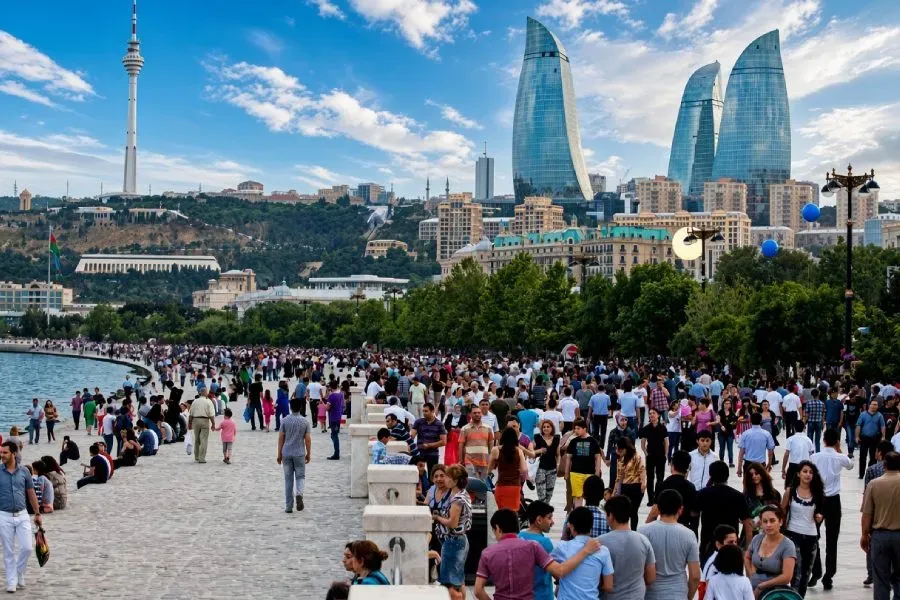
In recent days, proposals to provide social benefits to families with two, three or more children, as well as to offer them preferential mortgage terms, have been widely discussed in society. At the same time, proposals to revise the definition of a large family and reduce the number of children required to qualify for this category from five to three have been submitted to the Milli Majlis.
Changes in birth rates and the need to increase state support for families have once again made these measures an important issue on the public agenda.
But how significant are these proposals against the backdrop of the current demographic situation, and what additional social support mechanisms should be introduced for families?
Sociologist Uzeyir Shafiyеv spoke to TodayPress TV and said that the discussions stem from the significant demographic slowdown observed in the country.
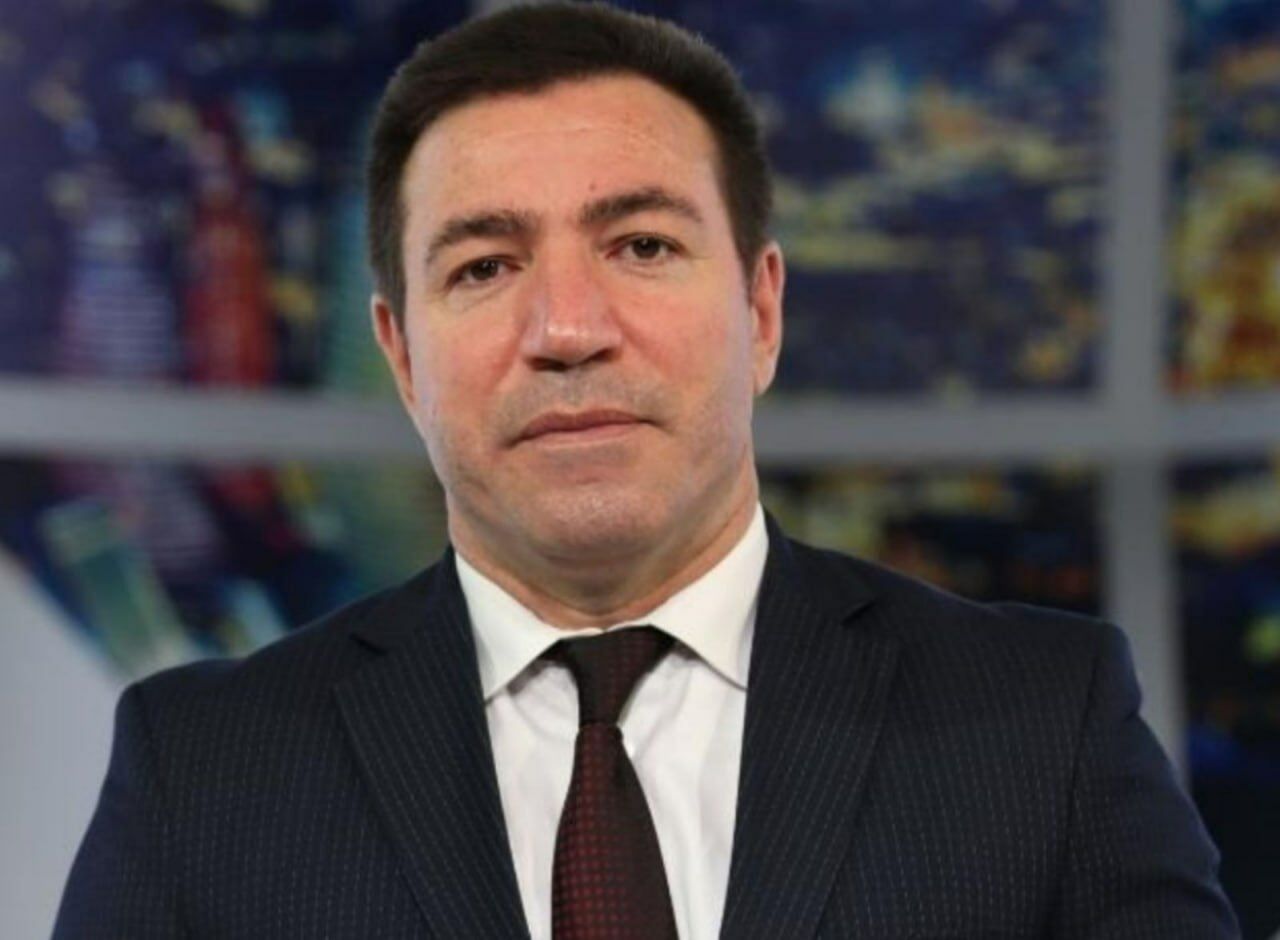
The expert first drew attention to the existing threat and its potential socio-economic consequences:
“Such proposals are being seriously discussed in society. There are many reasons for this. First of all, the reason is that Azerbaijan is experiencing an unprecedented slowdown in natural and demographic growth, as well as a significant decline in the number of newborn children. This may lead to a number of social consequences in the medium term. The slowdown in natural and demographic growth may create certain problems in Azerbaijan’s labour market and increase the flow of migrants. This could put us in a situation similar to the migration processes threatening European countries. At the same time, certain difficulties may also arise in terms of the security of the gene pool and mobilisation capabilities.”
The sociologist also touched upon the financial burden that population ageing could place on the state budget. According to him, if natural growth slows and the number of newborn children declines, this means an increase in the share of elderly people in the age structure of the population. This, in turn, creates an additional financial burden for the state, as the number of working-age people will decline while the number of pensioners will increase.
Uzeyir Shafiyеv also put forward specific proposals and mechanisms to prevent a demographic crisis:
“To prevent the slowdown in natural and demographic growth, it would be appropriate to implement a number of measures. First of all, it is important to restore social benefits known as child allowances, introduce preferential mortgage terms for married couples and families with children, and pay particular attention to providing them with housing and employment opportunities. At the same time, an account could be opened in the name of each newborn child and a certain amount of money deposited into it. These funds could be directed into investment instruments and made available to the child in the future. In addition, differentiated social benefits should be introduced for families with one, two, three or more children.”
He particularly emphasised the need to reconsider the status of large families:
“In Azerbaijan, the concept of a large family currently applies to families with five or more children. It would be good to reduce the number of children required to qualify for large-family status from five to three. This could undoubtedly increase the tendency to favour the three-child family model in family planning. If the benefits currently available to large families were also extended to families with three children, this would have a direct positive impact on people’s family planning,” the expert concluded.
Turkan Iskandarli