
President highlights a major challenge: Media literacy
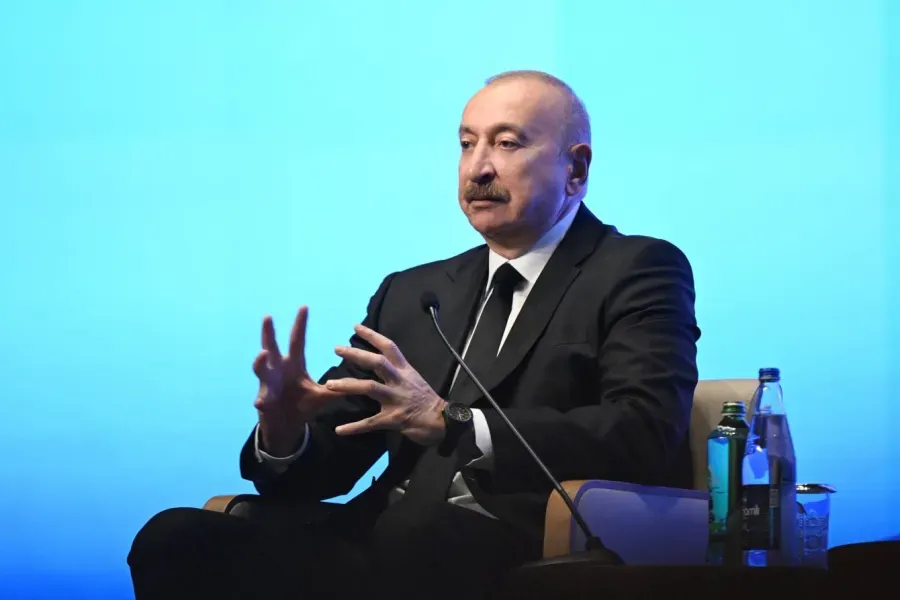
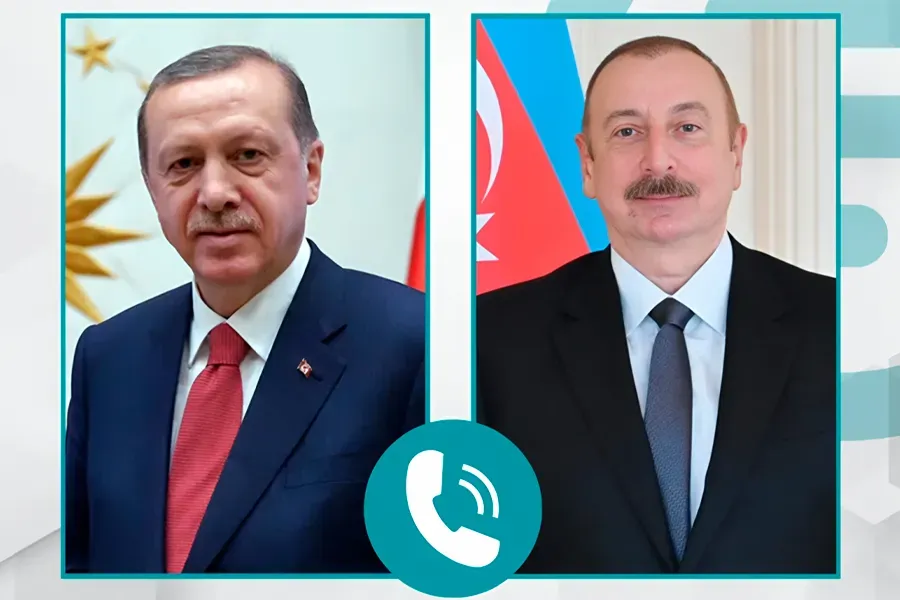
The first Media Forum of the Conference on Interaction and Confidence Building Measures in Asia (CICA) opened in Baku on October 1. The forum focused on “Building Trust Through Media in a Polarized World.” President Ilham Aliyev’s address to the forum participants was read by his Assistant, Hikmat Hajiyev.
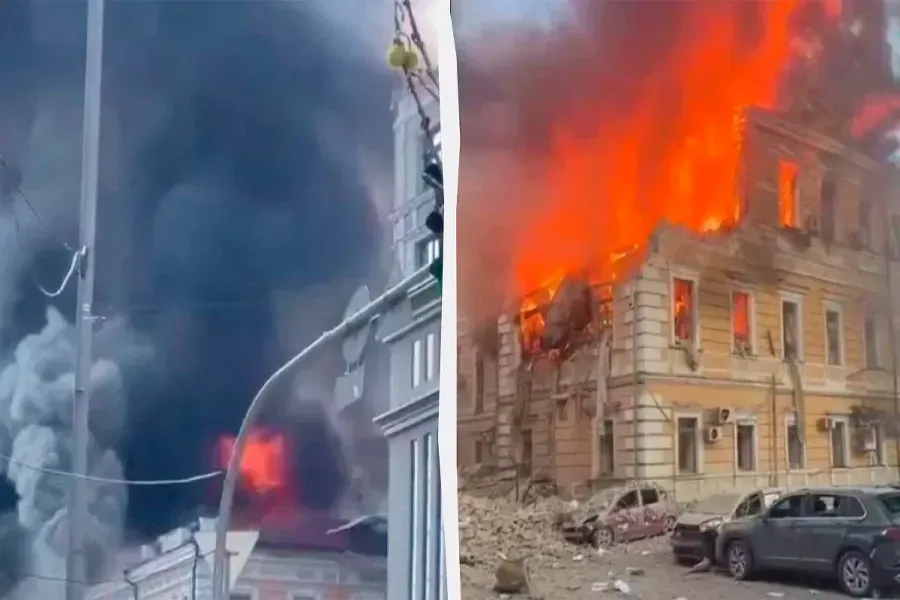
In his message, the President described improving media literacy and the responsible use of new technologies as essential conditions for building a sustainable foundation of trust. The address identified the widespread dissemination of disinformation and fake content generated by artificial intelligence as direct threats to public trust.
Who should build a reliable information environment? The address provides a broad answer: government agencies, media organizations, digital platforms, journalists, researchers and civil society. The reader stands at the end of this chain. Media literacy means turning readers into a strong link in that chain.
The Open Society Institute, based in Sofia, has been measuring European societies’ resilience to disinformation since 2017. In its 2026 index, four countries share first place: Denmark, Finland, Ireland and the Netherlands, each scoring 71 points. Countries closer to our region are positioned toward the bottom of the list.
The index is based on a straightforward formula. The largest share of the score comes from reading skills acquired at school and the quality of the media environment. In other words, informed readers are shaped in the classroom.
Finland has topped the list since 2017. There, media literacy education begins in kindergarten and is considered part of the country’s overall defence strategy. Leo Pekkala, director of the National Audiovisual Institute, urges teachers to incorporate information-verification exercises into every lesson, whether they teach physics or mathematics (OSIS).
The Reuters Institute at the University of Oxford provides further insight. According to its 2026 report, trust in news across 48 countries has fallen to 37%, its lowest level since 2015. Trust in news encountered on social media stands at 22%, while trust in responses from AI chatbots is 20%. The proportion of people concerned about distinguishing real from fake content online has risen to 62% (Reuters Institute).
Here lies the paradox: people trust social media less, yet increasingly turn to it for news. For the first time, social media and video platforms have overtaken television and news websites as sources of news, with 54% relying on them. Media literacy is the skill that can help bridge this gap.
In Azerbaijan, media literacy already has an institutional and legal framework. The charter of the Media Development Agency and the presentation document of the newly established Media and Broadcasting Council identify it as a separate responsibility (president.az). The agency has announced that it is studying international practices and developing a unified domestic strategy targeting specific groups.
Media Literacy Week is held every December. Last year, the week concluded on December 22 with a conference titled “Digitalization, Artificial Intelligence and Media Literacy.” The event included discussions about open lessons and awareness sessions for schoolchildren. The agency’s Media Literacy platform and the “MEDİA Volunteers” programme seek to instil information-verification habits among young people.
One question remains unanswered. Azerbaijan is not included in the Sofia index or the Reuters Institute report, and the country has no regular national indicator for measuring media literacy. It is difficult to manage results that are not measured.
The Finnish example shows that results take years to emerge. The authors of the Sofia report also consider education the most reliable, albeit long-term, approach. Several concrete steps along this path are available to Azerbaijan.
There is no need to wait for media literacy to become a separate school subject. It can be integrated into Azerbaijani language, history and computer science lessons. The Finnish model works in precisely this way: every teacher teaches students to question the source of the information they encounter.
A baseline national survey is also needed. An annual survey measuring trust in news, concerns about fake news and information-verification habits would make it possible to evaluate the agency’s projects using measurable data.
In his address, the President identified digital platforms as partners. Making verified information in Azerbaijani more visible and removing fake accounts promptly could serve as key measures of this partnership.
Four questions are enough to establish a daily habit:
1. Who published this news, and are their name and contact details available?
2. When was the news published? Could old footage be presented as a recent event?
3. Is the headline designed to make me angry or afraid?
4. Has the same information been confirmed by a second reliable source?
The CICA Media Forum sent a signal from Baku: in a polarized world, trust begins in the newsroom and is reinforced on the reader’s phone.
Aziz Alibeyli, International Relations Researcher