
Magyar backs away: “I won’t give this to Ukraine!”
On September 20, Ukraine’s Naftogaz and Hungary’s MOL signed a bilateral memorandum on the sidelines of the “Carpathian Eight” summit. The document provides for exploring the possibility of building a fuel storage facility near the Ukrainian border. However, the move has faced strong opposition from the Hungarian government.
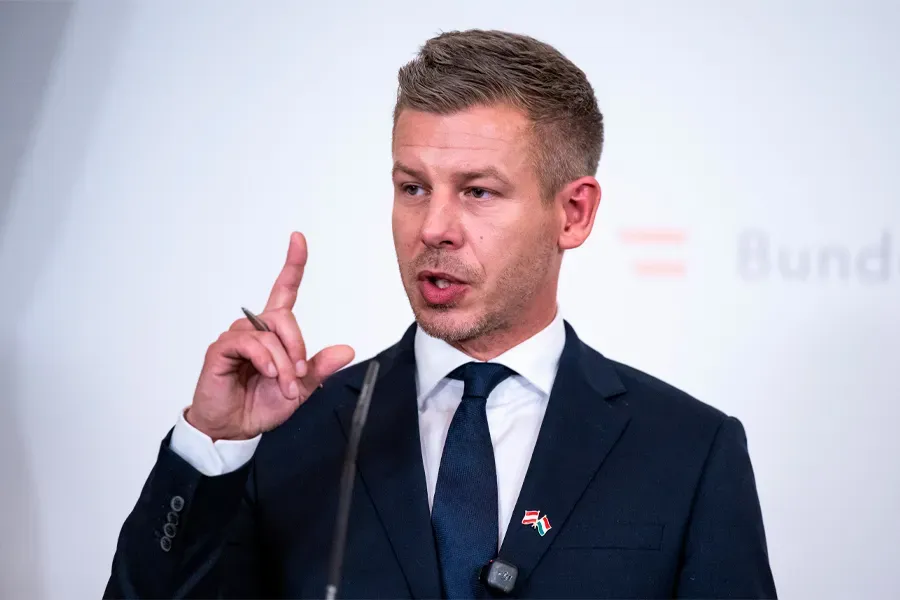
Speaking in parliament on September 21, Hungarian Prime Minister Péter Magyar said that under the current government led by the Tisza Party, no fuel storage facility for the Ukrainian market would be built either in the border zone or elsewhere in the country.
He described negotiations conducted without the government’s knowledge as “completely unacceptable” and demanded an explanation from MOL Chairman and CEO Zsolt Hernádi. Following the discussion, the prime minister said that MOL, whose largest shareholder is the state, must take the country’s interests into account in its activities. Magyar also noted that Hungary had declined to join the “Carpathian Eight” grouping established at Ukraine’s initiative.
MOL commented on the issue, stating that the project was still at an early stage. The company said discussions had begun with Ukrainian and US sides back during Viktor Orbán’s government. The assessment of the project’s technical, financial, environmental and security conditions could take several years. The fact that the government had not been informed about the talks was also attributed to the fact that the process was still only at the exploratory stage. The company said that if a decision is made to continue the work, it will discuss the details with the relevant regulatory authorities.
But what is the significance of this storage facility for Ukraine?
Serhii Fedorenko, acting head of Naftogaz, explained why Ukraine needs storage facilities outside the country.
“Amid Russia’s ongoing attacks on our fuel infrastructure, diversifying supply routes and creating additional storage capacity outside the zone exposed to attacks is a matter of stability for the entire market,” Fedorenko said.
According to him, the project would also help develop energy ties between Ukraine and Hungary.
Giymat Mahir