
Tbilisi is not acting like a friend – Ali Orujov
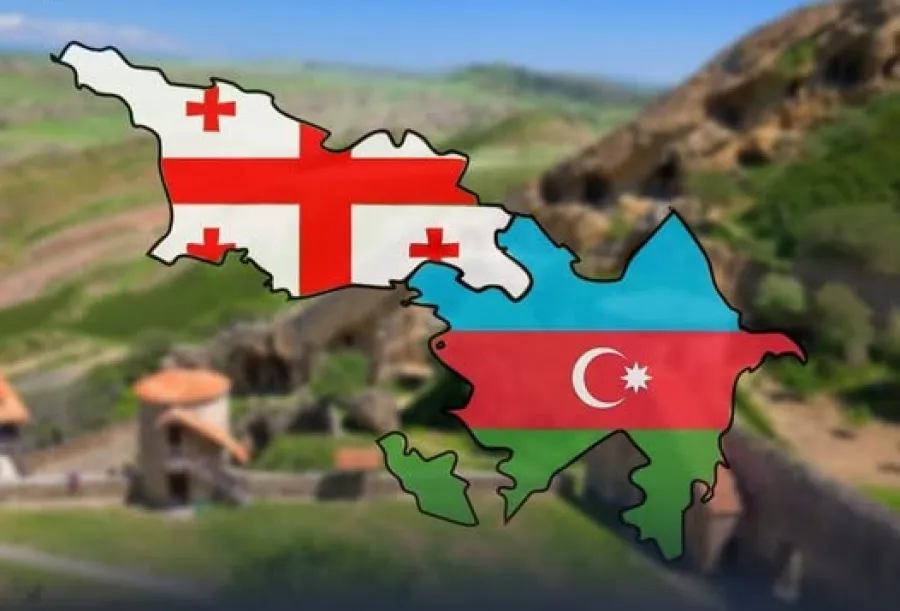
Georgian Prime Minister Irakli Kobakhidze’s statement that work on the delimitation and demarcation of the borders with Azerbaijan and Armenia will continue, and that the sensitive issue concerning the Keshikchidagh (David Gareji) complex will be resolved with Baku within the framework of friendly relations, has once again brought the issue to the forefront of the diplomatic agenda in the South Caucasus.
In Azerbaijan-Georgia relations, which are considered a successful example of strategic partnership in the region, the statement is an important signal toward resolving an issue that has remained frozen for years and has periodically become the subject of political speculation. But which sections of the border between the two allied countries have yet to be agreed upon, and why has the issue still not been fully resolved after nearly 30 years?
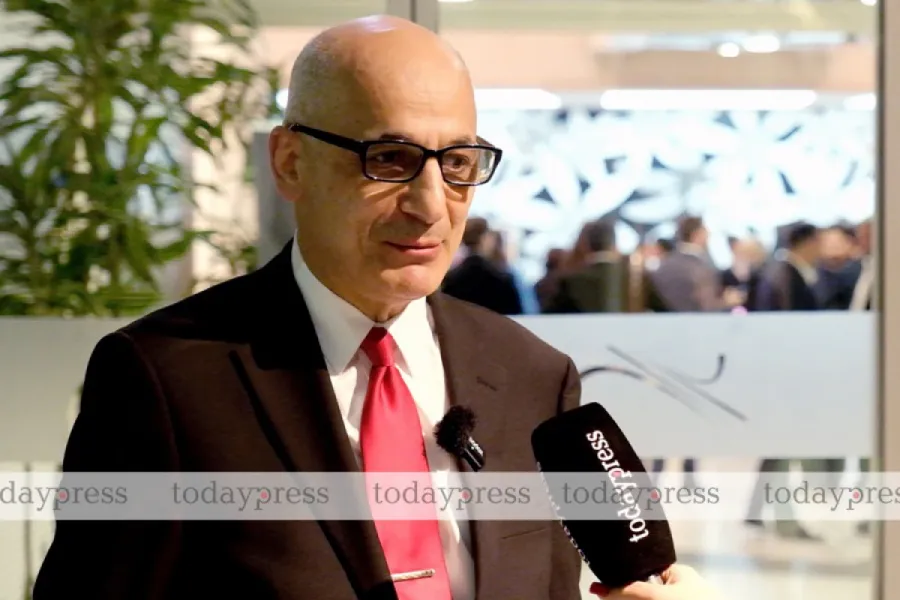
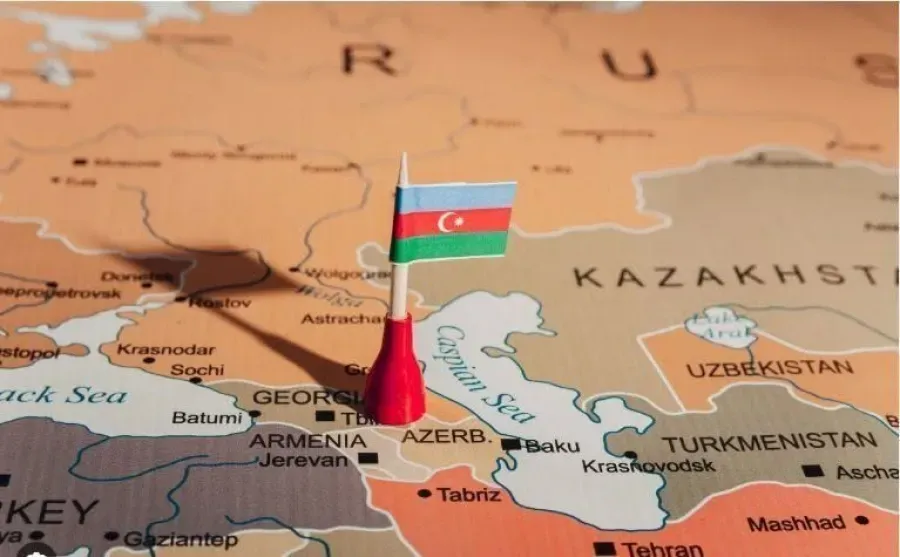
Speaking to TodayPress TV on the matter, political affairs analyst Ali Orujov said that Azerbaijan and Georgia share an approximately 446-kilometer border, of which 260 kilometers have been delimited and demarcated. This accounts for two-thirds of the total border:
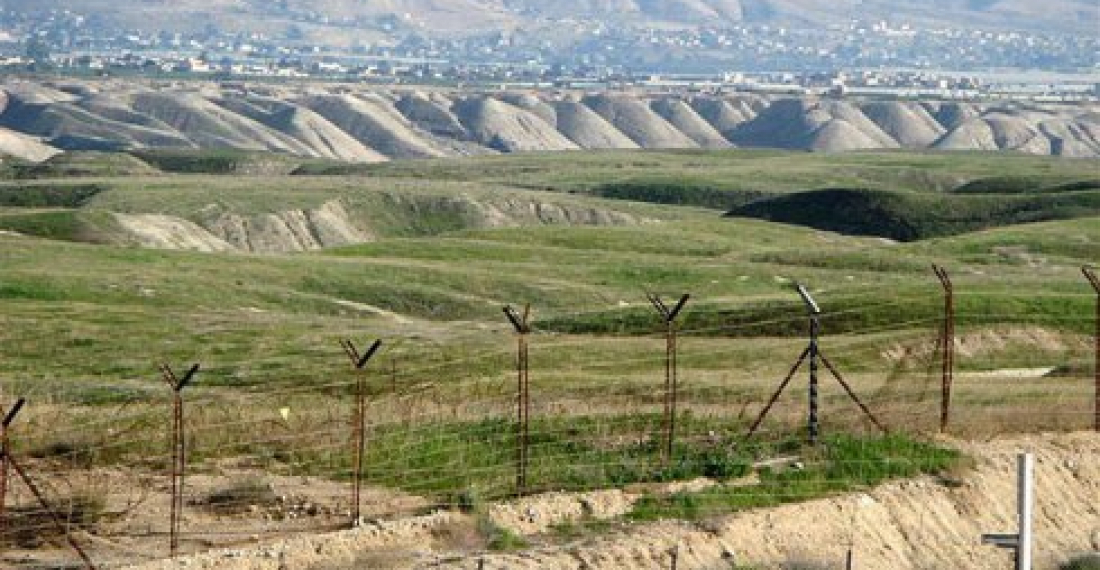
“There are a number of factors complicating the delimitation and demarcation of the remaining 166 kilometers of the border. In particular, sharp discrepancies regarding the conventional borders emerge in maps drawn up in different years during the Soviet period. In addition, the complex and rugged terrain creates difficulties in accurately determining these borders.
“However, the sensitive point concerns the areas where the Keshikchidagh historical and cultural complex, which Georgia calls David the Builder, is located and which belong to Azerbaijan. Tbilisi lays claim to this historical monument. It has even proposed a territorial exchange in return. However, the strategic and historical-spiritual importance of the Keshikchidagh complex and the territory where it is located makes it indispensable.
“I regret to note that from time to time, some Georgian chauvinists make unfounded claims not only to Keshikchidagh but also to the Qakh, Zagatala and Balakan districts. Attempts have also been made to create artificial tensions around Keshikchidagh due to provocations by Georgia. That issue has already turned into a political matter.
“Recently, the Georgian Patriarch opposed the restoration and renovation work being carried out at Keshikchidagh and sought to grossly interfere in Azerbaijan’s internal affairs in a manner that is inconsistent with any norm of international law or the spirit of good-neighborly and friendly relations. He adopted a harmful and inflammatory position and made statements to that effect.”
Orujov added that Georgian Prime Minister Irakli Kobakhidze should first of all prevent such “initiatives” and actions. If there is a genuine desire to maintain and deepen friendly relations, Georgia should first of all refrain from questioning Azerbaijan’s territorial integrity and sovereignty, as well as its history and material and cultural heritage:
“In this regard, I commend Baku’s determination and resolve, and I believe that not a single inch of territory, regardless of the circumstances, should be conceded to anyone. Based on statements by officials, it can be assumed that the delimitation and demarcation of the Azerbaijan-Georgia border will resume in the near future and will be completed without serious incidents.
“Incidentally, I would also like to note that at the Red Bridge Border Crossing Point between Georgia and Azerbaijan, Georgia has also encroached upon our territories. This issue should also become a subject of discussion. The same violation has occurred in the area of the Sadikhli village. All of these issues must be clarified. Tbilisi says it is a friend, but in many cases it does not act like one.”
Giymat Mahir