
How is an Azerbaijani soldier perceived in Armenia?
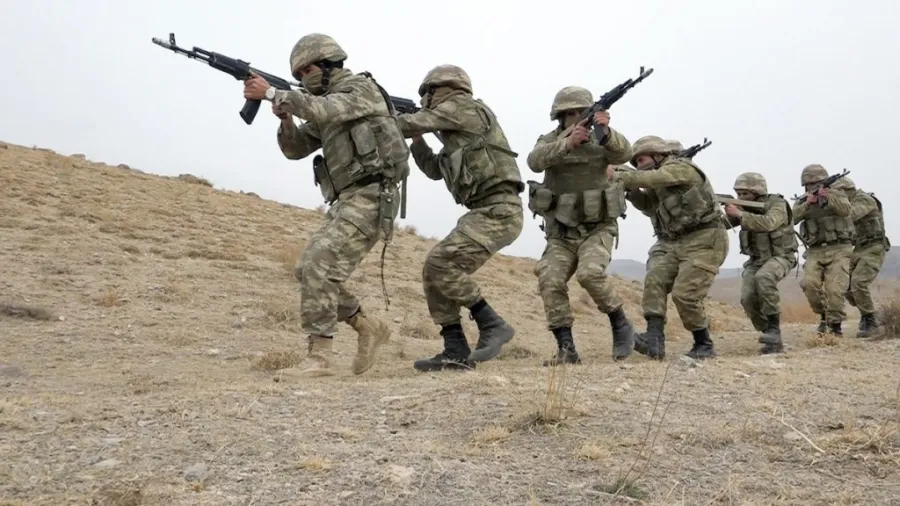
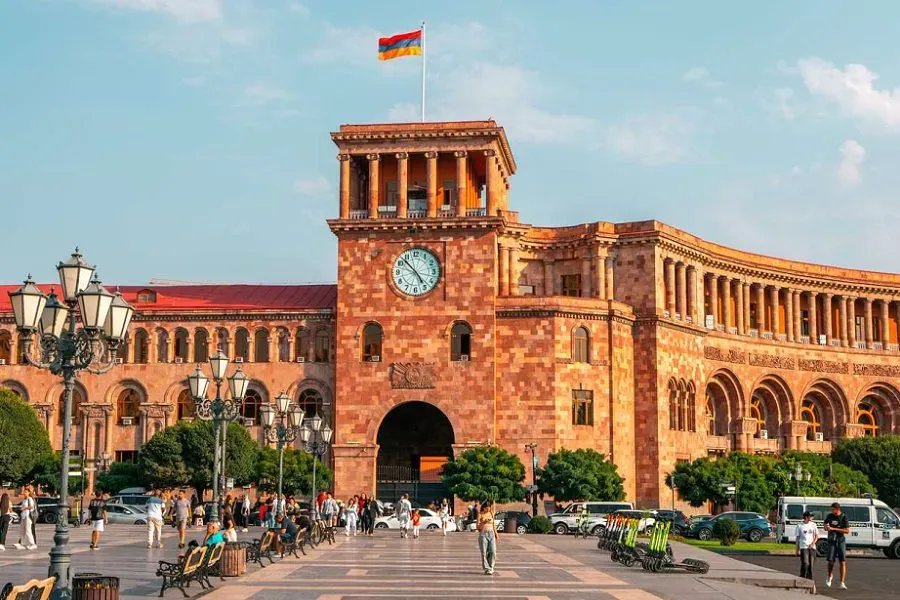
In recent days, we have observed that the detention of Nasimi Musayev, who crossed from the Lachin direction into the village of Sheki in Armenia’s Syunik Province, has reignited old fears and psychological tensions in Yerevan.
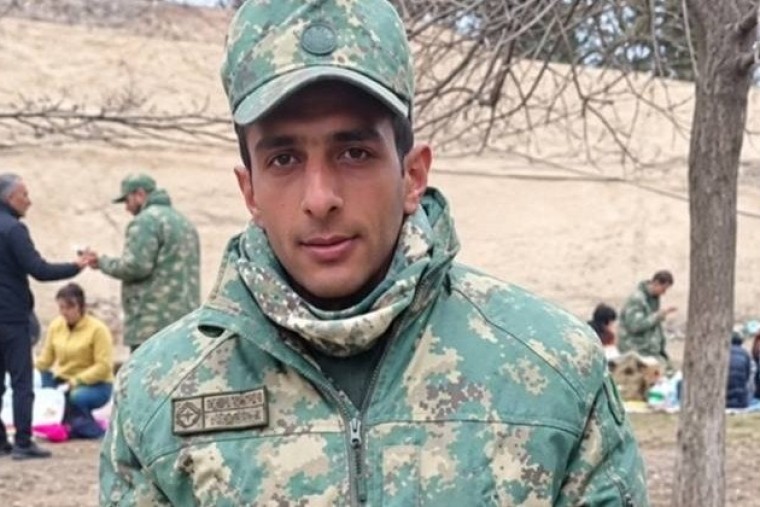
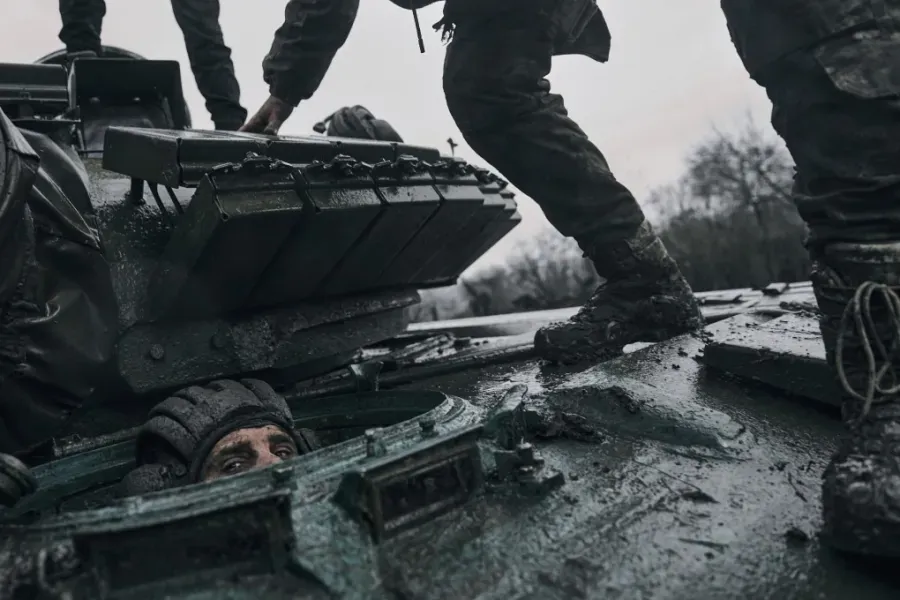
For years, the Azerbaijani soldier has been portrayed in Armenian society as a symbol of “danger” and the “enemy.” This image became even more entrenched following the events of 2020 and 2023. For many Armenians, an armed Azerbaijani who crosses the border—whether intentionally or accidentally—is perceived as a potential threat, intelligence operative or provocateur.
The Sheki incident has reactivated this stereotype: the soldier’s entry into the village and his entering a house were interpreted as evidence of an “insecure border” and a “signal of the next threat.” In the Armenian social media sphere and opposition circles, Musayev was portrayed as a “criminal deserving 20 years in prison,” an “intelligence operative” or someone “testing gaps in the border.” Some commentators expressed concern that “if one person can cross, an entire battalion could cross as well.”
The Pashinyan government, however, has taken a different approach in an effort to contain mass panic. The prime minister has repeatedly emphasized that the soldier did not resist, was injured and was not a provocateur; the terrain is difficult, there may have been fog, and he may simply have become lost. Pashinyan even criticized the injured woman for not waiting for the police and described the incident as a “classic crime story.”
It is understandable that the leadership in Yerevan wants to prevent the peace negotiations from being overshadowed. However, this has further fueled the anger of the opposition, which consists largely of Dashnak, terrorist and former field commanders. Opposition figures consider the government’s position a sign of weakness, oppose the immediate return of the soldier and demand that he be used in exchange for prisoners held in Baku.
The picture that has emerged reflects two different realities. For residents of border villages, the incident is proof that the state has failed to protect them. For politicians, meanwhile, it is an opportunity to attack their opponents in the domestic political struggle.
The legal aspect of the case may continue in the courtroom, but the mechanism of fear in the Armenian public consciousness has already been activated. The Nasimi Musayev incident once again demonstrated that, in Armenian society, an Azerbaijani soldier is still not perceived as a neutral figure. He is interpreted either as an “enemy” or as a “litmus test for peace.”
Will it be possible to overcome this psychological barrier? In how many months or years? There is no trust between the two societies. This is no secret, nor is it unexpected. Fear and tension that have persisted for years cannot simply be erased overnight. Building genuine trust will take years, perhaps decades.
Giymat Mahir