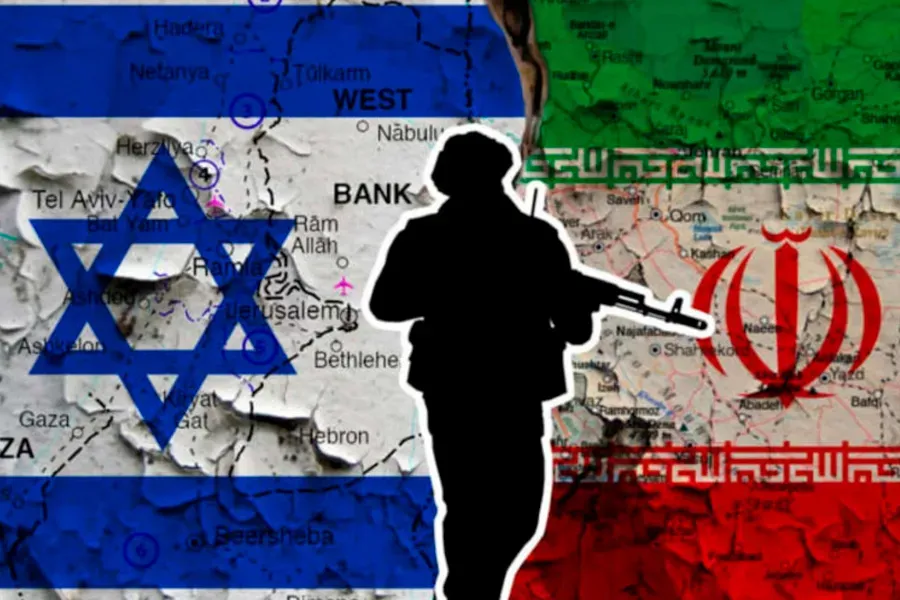

Moscow and Tehran corner Pashinyan
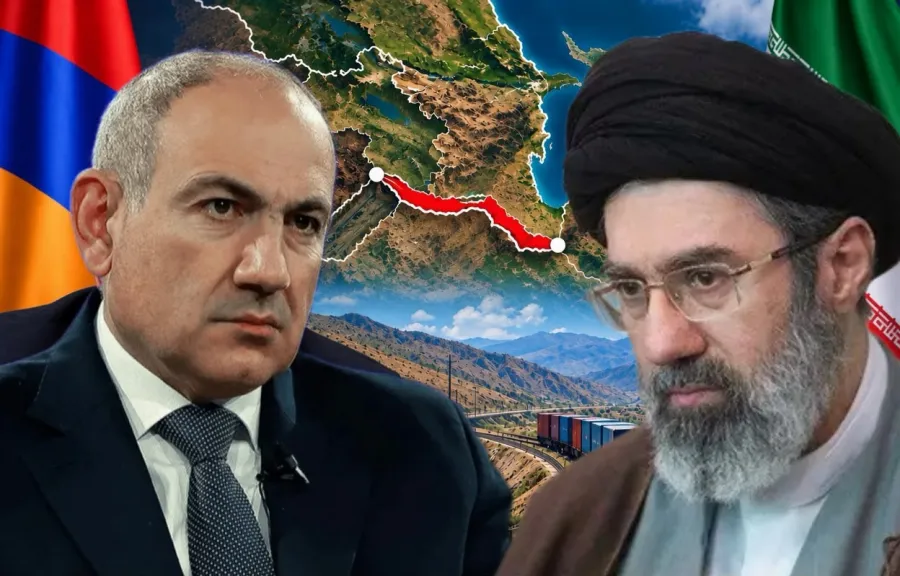
Iran has imposed a new condition on Armenia over the security of the “Trump route” – TRIPP.
Tehran is demanding that the security of the project be ensured exclusively by the Armenian Armed Forces or the armed forces of a third country already stationed on Armenian territory.
What does Iran’s unexpected and tough new condition for Pashinyan regarding the project indicate?
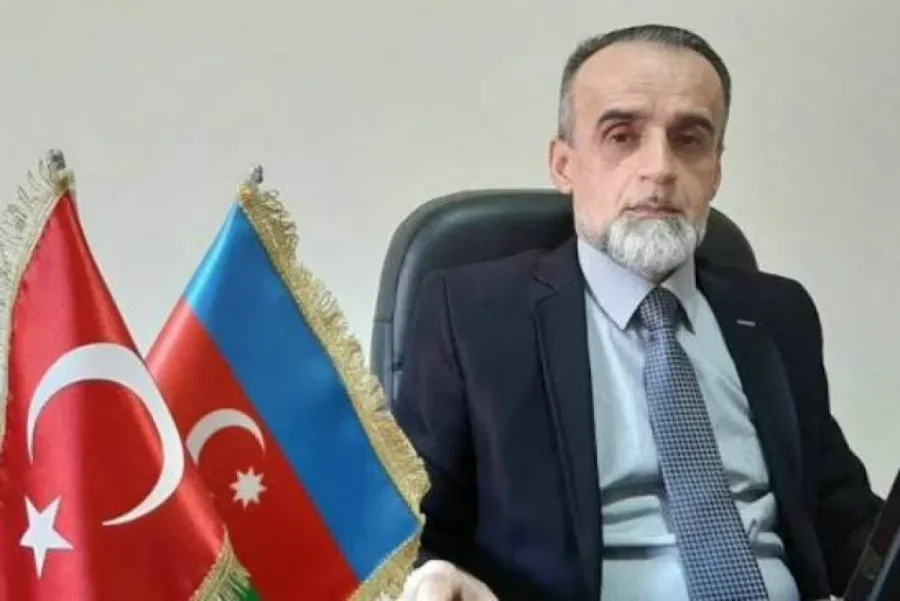
Speaking to TodayPress TV, political analyst Baybala Mirza said that this is simultaneously an indication of Iran’s arbitrariness and hegemony in the region, as well as a sign of its fear of the United States’ arrival in the region and the presence of American troops here.
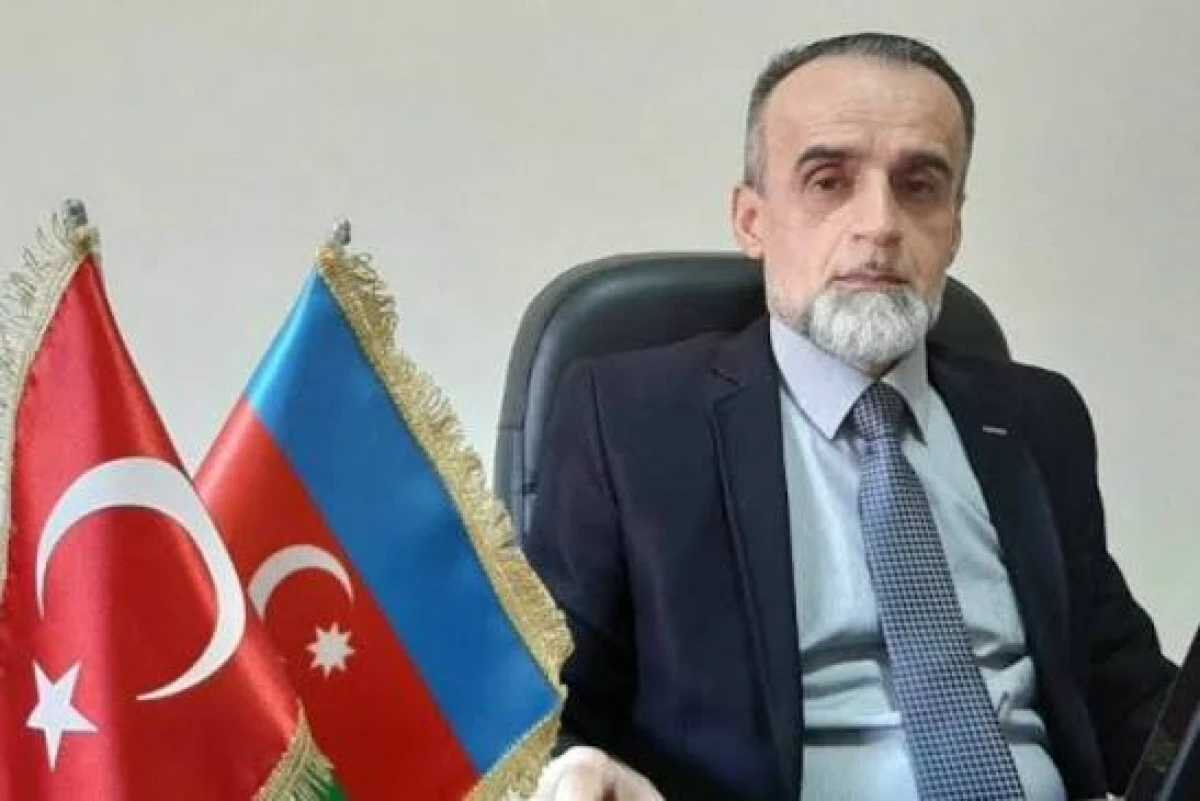
The expert noted that this hegemony and fear are clearly evident in the regime’s demand:
“The Iranian authorities have demanded that the security of the TRIPP project be ensured either by the Armenian Armed Forces or by the armed forces of a third country already stationed on Armenian territory.
Our famous saying, ‘There’s a cat in the bag,’ comes into play here and fits perfectly.
Now, what country could this ‘third country stationed on Armenian territory’ be?
Of course, Russia!
Yes, there is no doubt that Russia’s armed forces are meant here. This is an attempt to deliberately highlight Russia’s role.”
According to the political commentator, this is a joint move coordinated in advance between Tehran and Moscow. Tehran is trying to prevent US troops from appearing near its borders.
The political analyst likened the mullah regime to a hunter trying to kill two birds with one stone:
“On the one hand, it wants to prevent American soldiers from appearing near its borders, while on the other hand, it is trying to make the implementation of the TRIPP route (the Zangezur corridor), currently considered the main project of Armenia’s foreign policy, even more difficult.”
According to him, Iran wants to have a say in the South Caucasus:
“Projects such as TRIPP could reduce this influence. Therefore, Tehran is manoeuvring by trying to slow down the process as much as possible and toughen the conditions.”
Baybala Mirza believes that Iran’s plan also serves Russia’s interests:
“Russia, which wants to punish Armenia, considers Iran’s pressure and demand a gift from heaven. In short, Tehran and Moscow, as always, are acting in sync in the South Caucasus today as well. This is because Moscow and Tehran’s interests in the South Caucasus largely overlap.
However, fortunately, this ‘duo’ lost its previous ability to influence the region a long time ago. Such harsh reactions and demands usually emerge when the parties making them feel that their previous dominant positions have weakened. In other words, both Tehran and Moscow fully understand that they can no longer act as freely in this region as they once did.
Only Azerbaijan and Türkiye, together with the United States and the European Union, can save Pashinyan from the ‘vice’ of Moscow and Tehran.”
Jala Rovshan
PHOTOS